
Staying connected while traveling has become as essential as booking flights or accommodation. From navigating unfamiliar streets to managing work messages and sharing experiences with family, mobile connectivity plays a critical role in how smoothly a trip unfolds. That is where the discussion around esim vs nano sim becomes especially important for modern travelers.
Both technologies serve the same basic purpose, connecting your phone to a mobile network. Yet the way they work, how you activate them, and the level of flexibility they offer are very different. Understanding these differences helps travelers make smarter decisions, avoid roaming surprises, and enjoy worry free connectivity across borders.
This guide explains everything you need to know in simple terms, based on verified technical standards, expert insights, and real world usage. The goal is to help you choose the option that best supports stress free travel.
Understanding SIM Technology in Simple Terms
A SIM is what allows your phone to communicate with a mobile carrier. It stores key information that identifies you on a network and enables calls, texts, and data services.
For years, SIM cards were physical chips inserted into phones. Over time, these cards became smaller to fit modern device designs. The newest evolution removes the physical card altogether.
To understand the difference clearly, it helps to look at each option separately.
What Is a Nano SIM Card
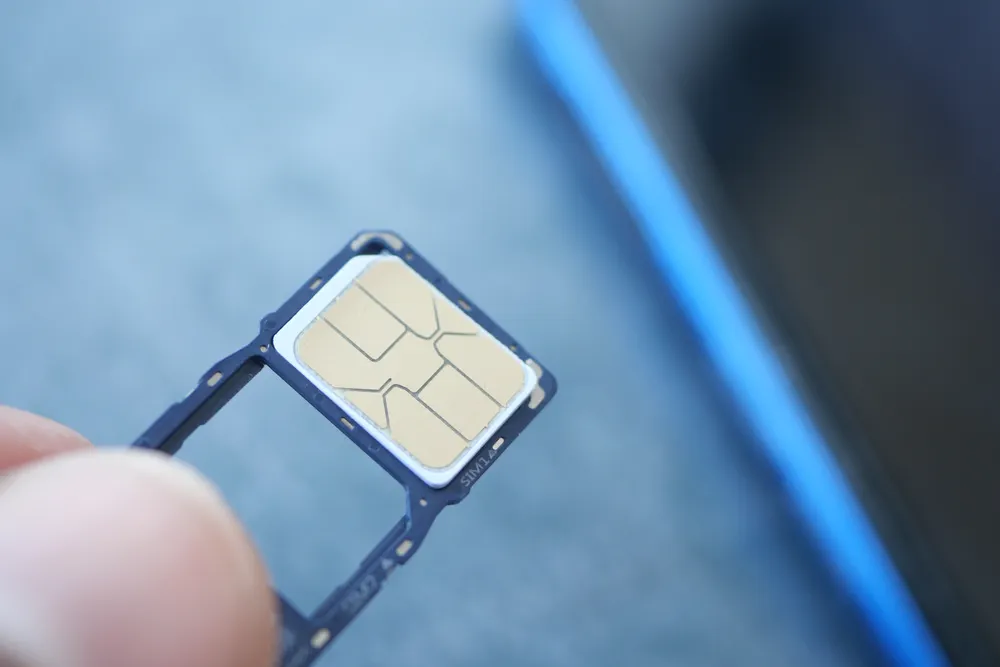
A nano sim is the smallest physical SIM card currently in widespread use. Most smartphones released over the past decade support this format.
If you have ever opened your phone’s SIM tray using a small pin, you have likely used this type of card. It is a removable chip that stores your subscriber information and connects your device to a network.
When people ask what is a nano sim card, the simplest answer is that it is a physical SIM designed to save space inside modern smartphones while performing the same function as older SIM formats.
Key Characteristics of Nano SIM Cards
A nano sim card is issued by mobile carriers and requires physical handling. You must insert or remove it when switching phones or changing networks. While it is reliable and widely supported, it also comes with some limitations for travelers.
For example, buying a local SIM often means finding a store after arrival, showing identification, and manually replacing your existing card. There is also a risk of misplacing your home SIM during the process.
What Is an eSIM and How It Works
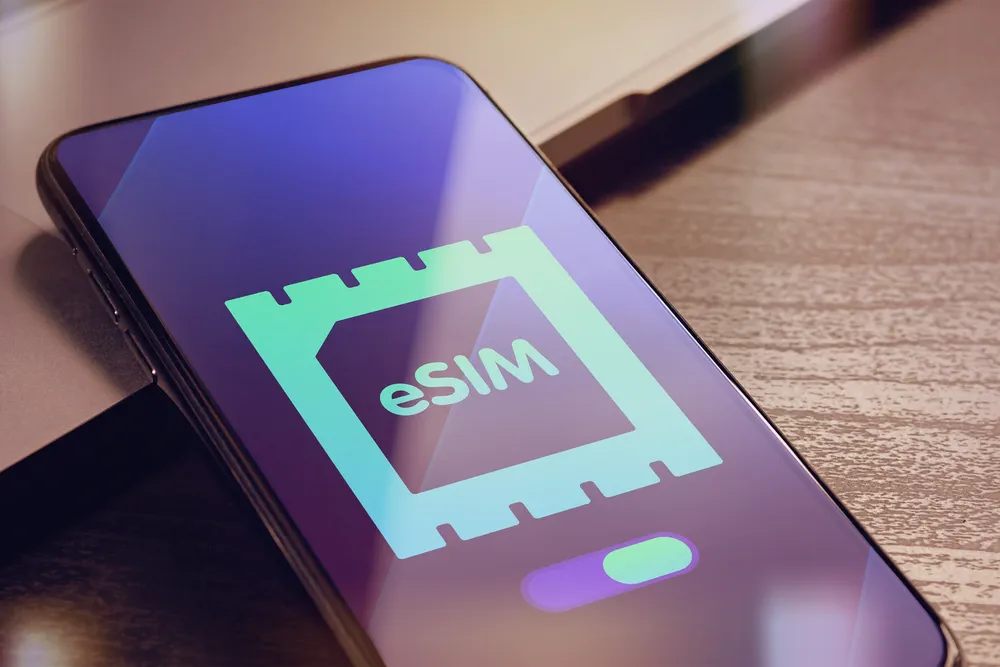
An eSIM is a digital SIM that is built directly into your device. Instead of inserting a physical card, you download a carrier profile onto your phone.
Activation usually happens by scanning a QR code or entering details provided by your eSIM provider. Once installed, the eSIM connects to local networks without requiring any hardware changes.
How eSIM Activation Works
Your phone stores multiple eSIM profiles digitally. You can switch between them in your settings, enabling or disabling plans as needed. This is especially useful for travelers who want to keep their home number active while using mobile data abroad.
Because nothing needs to be inserted or removed, setup is faster and more convenient, particularly when preparing for a trip.
Key Differences Between Nano SIM and eSIM
During a recent international trip, I activated an eSIM plan before boarding my flight. As soon as the plane landed and airplane mode was turned off, my phone connected automatically. There was no need to visit a store or remove my existing SIM. This experience highlighted how digital activation can simplify travel logistics and reduce stress, especially after long flights.
Understanding the difference between nano sim and esim helps travelers choose based on real needs rather than technical jargon.
Setup and Activation
Nano SIM cards must be physically inserted and often purchased in person. eSIMs can be installed remotely before or after arrival.
Flexibility
With an eSIM, you can store multiple plans and switch between them without removing anything. Physical SIMs require swapping cards.
Security
A physical SIM can be lost or damaged. An eSIM remains safely embedded in your device.
Travel Readiness
eSIMs allow travelers to land with connectivity already active. Physical SIMs usually require post arrival setup.
Industry analysts from global telecom organizations have consistently highlighted eSIM adoption as a major step toward seamless global connectivity, especially for international travelers.
Device Compatibility and Support
Most modern smartphones support both options, though some newer models rely entirely on eSIM technology.
Major device manufacturers have confirmed that eSIM support is now standard across flagship models. According to technical documentation published by Apple, many iPhone models allow users to store multiple eSIM profiles while still supporting a physical SIM in certain regions.
The global mobile industry body GSMA has also published standards explaining how eSIM technology improves interoperability and network access worldwide.
Before choosing, travelers should always verify whether their device supports eSIM and whether it is unlocked for international use.
Why Travelers Are Choosing eSIM More Often
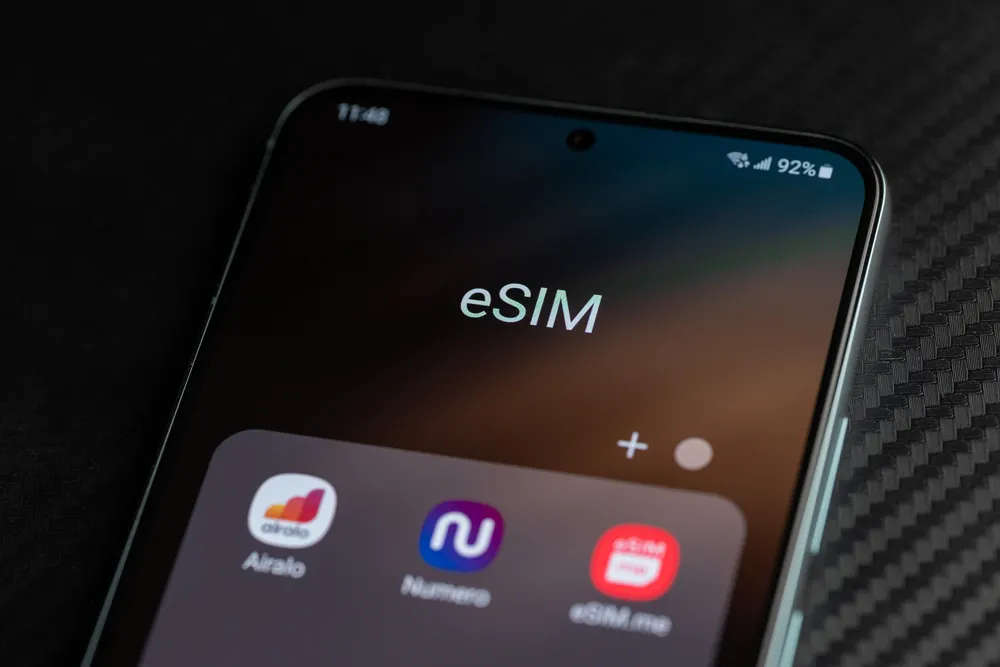
Frequent travelers often prioritize convenience and predictability. eSIM technology aligns closely with these needs.
Instead of spending time searching for a local SIM vendor, travelers can activate data plans in advance. This eliminates uncertainty and reduces reliance on public Wi Fi networks, which may be insecure or unreliable.
Travel focused connectivity solutions increasingly recommend eSIM for short stays, multi country trips, and business travel due to its flexibility.
Expert Opinions on SIM Technology Trends
Telecom experts have noted a steady shift toward digital SIM adoption. Industry interviews published by Troop Messenger highlight that eSIM reduces friction for both users and carriers by eliminating physical distribution.
Network engineers also emphasize that performance depends on the local network, not the SIM format itself. This means eSIM and nano SIM deliver comparable speeds and reliability when connected to the same carrier infrastructure.
Making the Right Choice for Your Travel Needs
Choosing between eSIM and nano SIM depends on how you travel. If you value instant setup, flexibility, and reduced hassle, eSIM offers clear advantages. If you prefer traditional methods or your device does not support eSIM, physical SIM cards remain a reliable option.
The important thing is understanding the differences and planning connectivity in advance. With the right choice, you can travel confidently, stay connected everywhere, and focus on enjoying the journey rather than troubleshooting mobile access.
When travelers understand the practical realities behind esim vs nano sim, they are better equipped to make informed decisions and travel worry free.
Addressing Common Questions Travelers Ask
Is eSIM more reliable than a physical SIM
Reliability depends on network coverage rather than SIM type. Both are equally reliable when supported by strong local networks.
Can I keep my regular number with an eSIM
Yes. Many phones allow dual SIM usage, keeping your home number active while using eSIM for data.
Is a nano SIM outdated
Not at all. Physical SIMs remain widely used and supported. The choice depends on convenience rather than obsolescence.

