
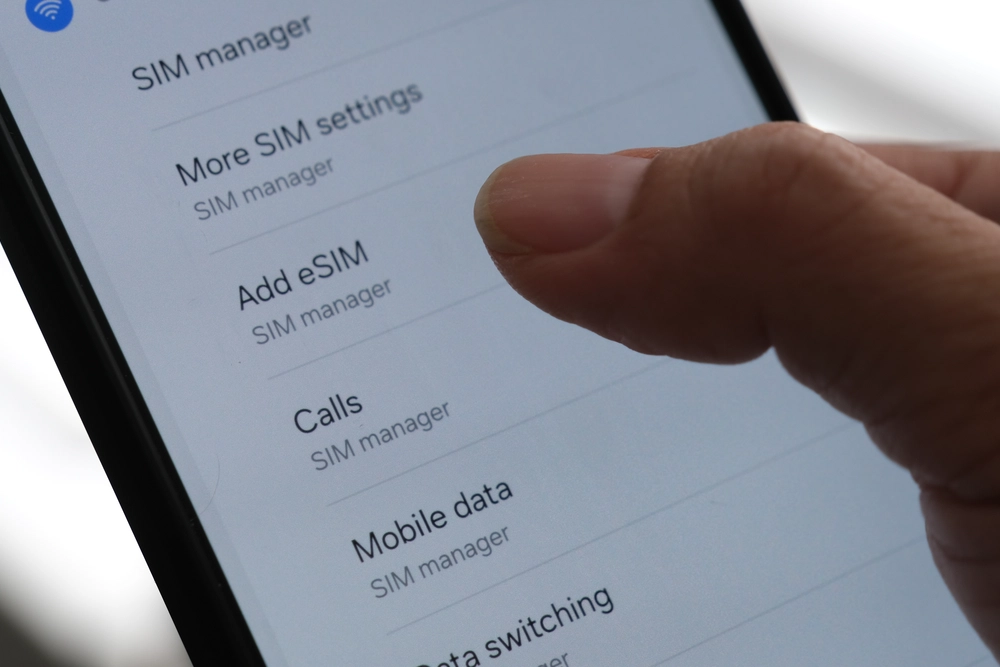
The shift from plastic SIM cards to virtual eSIMs has left many people scratching their heads. One question keeps popping up in tech forums and carrier stores: Is eSIM connected to phone number? The answer might surprise you, and understanding it could completely change how you think about mobile connectivity.
Breaking Down the Basics
Let’s clear up the confusion right away. Is eSIM connected to a phone number? Not necessarily. Think of an eSIM as a container, not the content itself. Your phone number is assigned by your carrier and linked to your mobile plan, whether that plan lives on a physical SIM card or an eSIM profile.
Here’s the key distinction: the eSIM is the technology that allows your phone to connect to a carrier’s network. Your phone number is the identity your carrier assigns to that connection. They work together, but they’re not the same thing.
Do eSIMs Have Separate Phone Numbers?
This depends entirely on what type of eSIM plan you choose. Some eSIMs come with phone numbers, while others don’t. It’s all about your needs.
When you sign up for a traditional mobile plan through an eSIM, you’ll get a phone number just like you would with a physical SIM. You can make calls, send texts, and use data. The eSIM with phone number functions exactly like a regular plan, just without the physical card.
However, many eSIM data plans are data-only. These give you internet access without a phone number attached. They’re perfect for tablets, secondary devices, or travelers who just need to browse, navigate, and stay connected online without making traditional calls.
Making the Switch: Does Your Phone Number Stay the Same with an eSIM?
Absolutely! Switching from a physical SIM to an eSIM doesn’t mean losing your number. Your digits stay yours. So know that whenever you ask the question: Can I get an eSIM and keep my number? The simple answer is yes, through a process called porting. When you convert your existing plan to an eSIM, your carrier transfers your number to the new eSIM profile. You keep the same number, contacts, and identity. The only thing that changes is the format of your SIM.
The process is surprisingly smooth. Most carriers now offer quick conversion through their apps. You might need to verify your identity and account details, but within minutes, your familiar number appears on your eSIM profile. No new number memorization required.
What About eSIM Number Assignments?
Here’s where it gets interesting. When people search for “eSIM number,” they might mean different things. Some are looking for the phone number associated with their eSIM. Others want the eSIM identification number (EID), which is like a serial number for your eSIM chip.
The EID is a unique 32-digit identifier built into your device. It’s not your phone number. It’s more like your phone’s fingerprint for eSIM functionality. You’ll need this number when activating some eSIM plans, but it’s not what people call you with.
Your actual phone number, the one friends and family use, is separate. It’s assigned by your carrier when you activate a plan, regardless of whether you’re using eSIM or physical SIM technology.
Does eSIM Change Your Phone Number?
Short answer: only if you want it to. Activating an eSIM doesn’t automatically change your number. If you’re converting an existing plan, your number transfers over. If you’re adding a second eSIM for a different purpose, like a travel eSIM with phone number, you’ll get a new number for that specific profile.
Many people maintain multiple eSIMs with different numbers. You might have your primary number for home, a work number, and a temporary local number when traveling abroad. Each eSIM profile can have its own number, but switching between eSIMs doesn’t change the numbers themselves.
Travel Scenarios: Travel eSIM with Phone Number

This is where eSIM technology really shines. When you need connectivity abroad, you have options.You can get a travel eSIM with phone number that gives you a local number in your destination country. This is great for making local calls, booking restaurants, or contacting hotels without international rates.
Alternatively, you might choose a data-only travel eSIM. Keep your primary number active on your main eSIM for calls and texts through your home carrier (or use apps like WhatsApp), while your travel eSIM handles internet connectivity at local rates. No roaming fees, no surprises on your bill.
The flexibility is remarkable. Your home number stays intact on one eSIM profile while your temporary travel number lives on another. Switch between them with a few taps. To enjoy this seamless service, choose BenoSim.
Key Takeaways for Navigating eSIM Usage
Know what you’re buying. Before purchasing an eSIM plan, check whether it includes a phone number. eSIM data plans are cheaper but won’t let you make traditional calls. Keep your primary number accessible. If you’re adding multiple eSIMs, make sure you can still receive calls and texts on your main number, especially for two-factor authentication.
Label everything clearly. When managing multiple eSIMs with different numbers, use descriptive names in your phone settings. “Mom’s Number,” “Work Line,” or “Paris Trip” beats “eSIM 1” every time.
The real magic of eSIMs isn’t about changing numbers. It’s about flexibility, choice, and the freedom to manage your connectivity on your terms. Your number can stay the same forever, or you can collect numbers like frequent flyer miles. Either way, the eSIM makes it possible.

