
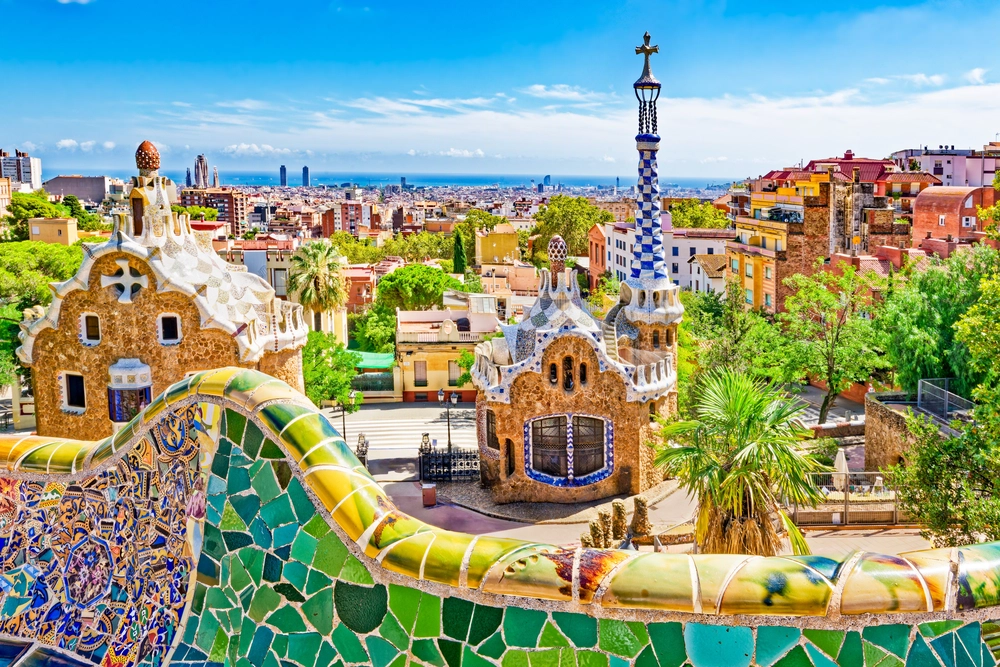
Are you planning your first trip to the sun-drenched streets of Madrid or the vibrant shores of Barcelona? You might think you have a handle on the culture, but many travelers find themselves standing in front of closed doors at three in the afternoon or wondering why the local anthem has no words to sing along to. It is frustrating to feel like an outsider in a land that is otherwise so welcoming.
If you do not understand the hidden rhythms of Spanish life, you risk missing the best experiences, such as the lively late-night social scenes or the incredible regional festivals that define the soul of the nation. You might end up eating at tourist traps while the locals are just starting their evening routines hours later. Securing an esim Spain connection allows you to research better spots on the fly, yet knowing these cultural nuances is what really bridges the gap.
This comprehensive guide breaks down 34 surprising facts that will transform your understanding of the Kingdom of Spain, ensuring you navigate its history, food, and traditions with the confidence of a seasoned explorer.
Quick Snapshot of Spain
Spain is a nation in the midst of a significant demographic and social transformation. As of January 1, 2026, the resident population reached an estimated 49,570,725 inhabitants, which is an increase of over 81,000 people in just the final quarter of 2025. This growth is largely fueled by international migration, with the country recently crossing a historic milestone of more than 10 million foreign-born residents.
The social fabric of the country is becoming increasingly diverse. Major cities like Torrevieja and Benidorm have seen some of the highest relative growth rates as they attract new residents from Colombia, Venezuela, and Morocco.
Despite this growth, Spain maintains a high median age of approximately 46 years, highlighting the ongoing challenge of an aging population. Economically, it remains a high-income advanced economy with a gross domestic product per capita projected to be around 40,580 dollars in 2026.
Mind-Blowing Historical Facts About Spain
The history of the Iberian Peninsula is a tapestry of Roman foundations, Islamic golden ages, and imperial expansion. These historical layers have created a modern state that balances centuries-old traditions with a progressive democratic identity.
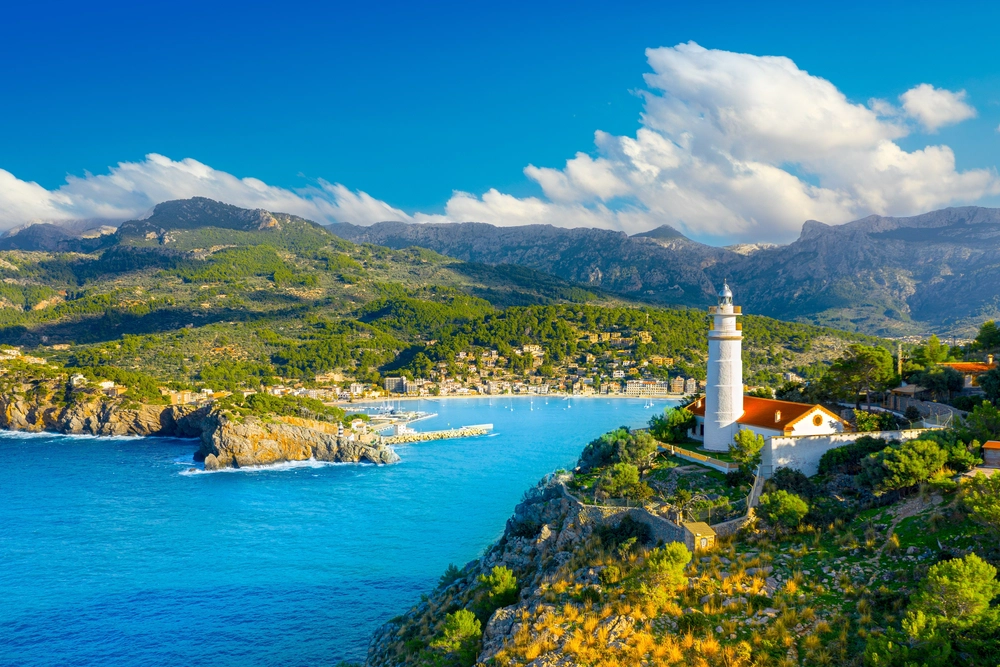
1. Spain Was Ruled by the Moors for Nearly 800 Years
One of the most defining periods in the history of the peninsula began in 711 AD when North African and Arab forces, known as the Moors, crossed the Strait of Gibraltar. They successfully conquered over half of the country by 711 AD and established Al-Andalus, a civilization that would last for nearly 800 years.
During this time, the city of Cordoba became a global beacon of science, philosophy, and architecture while much of the rest of Europe was in the Early Middle Ages. The Moorish influence is still visible today in the advanced irrigation systems they introduced and in architectural marvels like the Alhambra in Granada.
2. Spain Once Controlled One of the Largest Empires in History
During the Age of Discovery, the Spanish Empire reached a scale that spanned almost every continent. Following the voyage of Christopher Columbus in 1492, Spain led the exploration and conquest of the New World, establishing a global trade system fueled by gold and silver.
At its peak, the empire was so vast that it included territories in the Americas, the Philippines, and even parts of Africa. This era of wealth and power facilitated a cultural explosion known as the Golden Age, though the heavy military costs and inflation eventually led to a long economic decline.
3. The World’s First Modern Novel Was Written in Spanish
Literature changed forever in 1605 when Miguel de Cervantes Saavedra published the first part of Don Quixote de la Mancha. This work is widely considered the first modern novel because of its complex characters, psychological depth, and use of multiple perspectives.
In a 2002 poll of 100 leading writers from 54 countries, it was voted the greatest work of fiction ever written. Today, it remains the second most translated book in the world, surpassed only by the Bible. According to the Britannica, his influence on the Spanish language was so profound that it is often called the language of Cervantes.
4. Spain Still Has a Monarchy Today
Unlike many of its neighbors that became republics, the Kingdom of Spain is a constitutional monarchy. The current head of state is King Felipe VI, who took the throne in 2014 after the abdication of his father, Juan Carlos I.
The monarchy was restored in 1975 following the death of the dictator Francisco Franco, serving as a stabilizing force during the transition to democracy. While the King holds primarily ceremonial and representative roles, he remains a symbol of national unity in a country with strong regional identities.
5. The Spanish Civil War Shaped Modern Europe
The Spanish Civil War, which lasted from 1936 to 1939, was a brutal conflict that served as a precursor to World War II. It pitted the democratically elected Republican government against the Nationalist forces led by General Francisco Franco.
The war attracted international intervention and left deep scars on the nation that are still debated in modern politics. After the Nationalist victory, Franco ruled as a dictator for nearly 40 years, isolating the nation from many European developments until the restoration of democracy in the late 1970s.
Cultural Fun Facts About Spain
Cultural life in Spain follows a rhythm that can be jarring for those used to the standard nine-to-five schedule of Northern Europe or North America. It is a society that prioritizes social interaction and the enjoyment of life.
6. Spaniards Eat Dinner Much Later Than Most Countries
If you try to find a dinner table at six or seven in the evening, you will likely find yourself alone in an empty restaurant. I remember my first night in Seville, walking to a highly rated restaurant at seven in the evening, only to find the staff still setting the tables and the lights dimmed. I had to wait nearly three hours just to see the first local family sit down for a meal.
This is because the main meal of the day, la comida, happens between two and three in the afternoon, often consisting of several courses. Consequently, dinner rarely starts before nine or ten at night, and it is common to see children out with their parents at local plazas well past midnight.
7. The Siesta Tradition Is Still Part of Spanish Life
The famous siesta is more than just a nap, it is a cultural adaptation to the intense midday heat. Historically, farmers and laborers would rest during the hottest hours to avoid heat exhaustion.
In modern urban centers like Madrid and Barcelona, the two hour nap is less common among office workers, but many small family owned shops still close between two and five in the afternoon. This break allows people to go home, enjoy a large lunch with family, and return to work refreshed until the late evening.
8. Spain Has Multiple Official Languages
While Castilian Spanish is the official language of the state, several other languages have co-official status in their respective regions. This linguistic diversity is a source of great pride.
For example, Catalan is spoken in Catalonia and the Balearic Islands, Galician is used in the northwest, and Basque is spoken in the Basque Country and parts of Navarre. In regions like Catalonia, you will often see street signs and official documents printed in both Spanish and Catalan, reflecting the rich regional identities that coexist within the country.
9. Spaniards Traditionally Use Two Surnames
In Spain, a person is traditionally identified by two surnames. The first surname comes from the father and the second from the mother. For instance, if a person is named Antonio García López, García is his paternal surname and López is his maternal one.
This system ensures that both sides of the family lineage are legally recognized. Interestingly, Spanish women do not change their surnames when they marry, they keep their own paternal and maternal names for their entire lives.
10. New Year’s Eve Means Eating 12 Grapes at Midnight
One of the most chaotic and joyful traditions occurs every December 31. As the clock strikes midnight at Madrid’s Puerta del Sol, people across the country attempt to eat 12 grapes, one for each chime of the clock. Each grape represents good luck for one month of the coming year.
This tradition dates back to at least 1895 and was famously popularized in 1909 by vine growers in Alicante who had a massive surplus of grapes and needed to sell them. It is much harder than it sounds to swallow a grape every second, leading to many laughs and a messy start to the year.
11. Spain Builds Human Towers Called Castells
In the region of Catalonia, you can witness the incredible spectacle of Castells, or human towers. Teams known as colles work together to build towers that can be between six and ten stories high. This tradition, which is over 200 years old, was recognized by UNESCO as Intangible Cultural Heritage in 2010.
The base of the tower, called the pinya, is a massive group of people who provide stability and a safety cushion, while the lightest children, known as the enxaneta, climb to the very top to signal the completion of the tower.
Weird and Unique Facts About Spain
From massive food fights to unique geological wonders, the country is home to several anomalies that catch travelers off guard.
12. Spain Hosts the World’s Largest Tomato Fight
Every year on the last Wednesday of August, the town of Buñol becomes the site of La Tomatina, the world’s largest food fight. More than 20,000 participants gather to hurl over 150,000 kilograms of overripe tomatoes at each other for exactly one hour.
The event began in 1945 after a spontaneous scuffle during a local parade and has grown into an international phenomenon. Once the fight ends, fire trucks hose down the streets, and surprisingly, the citric acid in the tomatoes leaves the town square cleaner than it was before the event.
13. The Spanish Tooth Fairy Is Actually a Mouse
In Spanish culture, children do not wait for a tooth fairy. Instead, they wait for El Ratoncito Pérez, a small mouse who collects lost teeth placed under a pillow. The mouse usually leaves a small gift or some money in exchange for the tooth.
This character was created in the late 19th century by the writer Luis Coloma to comfort the young King Alfonso XIII when he lost a tooth. Today, there is even a small museum in Madrid dedicated to this legendary mouse.
14. Spain Has a Town Built Entirely of Salt
The town of Cardona in Catalonia is home to a unique geological phenomenon known as the Salt Mountain. While the town itself is made of stone, it was built on the incredible wealth generated by its massive salt mines, which have been exploited since Neolithic times.
The Salt Mountain is a massive diapir, a salt dome that has been pushed to the surface by tectonic activity and is nearly pure salt. Today, visitors can tour the old mining shafts and see the majestic crystalline formations that look like treacle frozen in time.
15. There Is a Wine Fountain Anyone Can Drink From
If you are hiking the ancient Camino de Santiago pilgrimage route, you might stumble upon the Bodegas Irache in the Navarre region. They have installed a wine fountain that offers free red wine to pilgrims.
The fountain features two taps, one for water and one for wine, and is intended to provide refreshment and encouragement to those on their journey to Santiago de Compostela. It is a perfect example of the deep connection between Spanish hospitality and its long history of viticulture.
16. Spain Is Home to Europe’s Only Desert
While much of the country is lush or Mediterranean, the province of Almería contains the Tabernas Desert, which is widely considered the only true desert in mainland Europe.
Its arid and rugged landscape is so reminiscent of the American West that it became a famous filming location for Spaghetti Westerns in the 1960s and 1970s. You can still visit old movie sets there today, experiencing a climate that is starkly different from the green forests of the north.
Food and Drink Facts About Spain
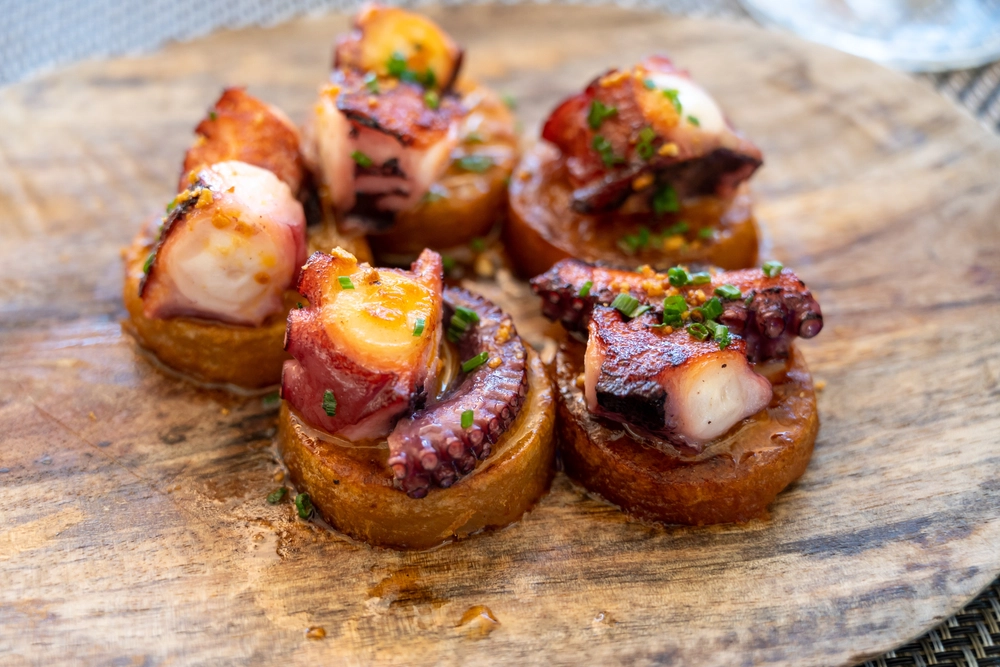
Spanish cuisine is famous worldwide, but the scale and variety of its production often surprise even the most dedicated foodies.
17. Spain Produces Around 40 Percent of the World’s Olive Oil
Often called liquid gold, olive oil is the backbone of the Mediterranean diet. Spain is the undisputed world leader in its production, accounting for approximately 40 to 50 percent of the world’s supply.
The country produces an average of 1.4 million tons of olive oil annually. The province of Jaén in Andalusia is the global epicenter of this industry, processing half of the nation’s total output.
18. Tapas Originated in Spain
The global trend of small plates, or tapas, has its roots in Spanish history. There are many legends about their origin, but one popular theory is that they began as small slices of bread or ham used to cover, or tapar, wine glasses to keep flies out.
Over time, these covers became elaborate snacks. Today, tapas culture is a social institution where friends move from bar to bar, enjoying a drink and a small bite at each stop.
19. Spain Is One of the Largest Wine Producers in the World
Spain consistently ranks as the third largest wine producer in the world, following Italy and France. However, it actually has the largest area of land dedicated to vineyards globally, with over 911,000 hectares under vine.
The reason it ranks third in volume despite having the most land is due to the arid conditions in many regions and the practice of low density planting to ensure the quality of the grapes.
20. Jamón Ibérico Is Considered a National Treasure
No food item is more revered than Jamón Ibérico. This cured ham is strictly regulated by a color coded labeling system introduced in 2014. A black label signifies the highest quality, representing ham from 100 percent purebred Iberian pigs that have roamed free in oak forests and fed exclusively on acorns. These hams are often cured for up to 36 months, resulting in a complex, nutty flavor that is heart healthy due to high levels of oleic acid.
21. Spain Has One of the Highest Numbers of Bars per Capita
Socializing is so central to life that Spain has more bars and restaurants per person than any other country in the world. There is roughly one bar for every 175 inhabitants nationally. In tourism-heavy areas like Calvià in Mallorca, this density can reach as high as 15.7 bars per 1,000 inhabitants, which means there is one bar for every 63 residents. This high density creates a vibrant street life where cafes and bars serve as the neighborhood’s living room.
Geography and Nature Facts About Spain
Beyond the beaches, the geography of the peninsula is characterized by extreme diversity and rugged landscapes.
22. Spain Has Over 8,000 Kilometers of Coastline
The extensive coastline stretches for approximately 8,000 kilometers, offering everything from the wild and rocky shores of the Atlantic to the calm and turquoise waters of the Mediterranean. This vast maritime border has historically made the nation a major naval power and today supports a massive tourism industry and vibrant port cities.
23. The Canary Islands Have Unique Microclimates
The Canary Islands, a volcanic archipelago off the coast of Africa, are famous for their microclimates. Due to their varied topography and the influence of trade winds, you can experience a lush rainforest and a sun scorched beach on the same island within a short drive.
These islands are also home to some of the world’s best astronomical observatories because their high mountains sit above the temperature inversion layer, providing clear skies for observation.
24. Spain Has More Blue Flag Beaches Than Most Countries
In 2025, Spain once again led the world by earning the most Blue Flag accreditations for its beaches. A total of 642 beaches were awarded this recognition, which reflects excellent water quality, environmental management, and safety amenities. The Valencian region and Andalusia are the top performers, consistently providing some of the cleanest and safest swimming spots in the world.
25. Spain Is One of Europe’s Most Mountainous Countries
While it is often pictured as a flat, sunny plateau, Spain is actually one of the most mountainous countries in Europe. It has an average elevation of 660 meters above sea level, surpassed only by countries like Switzerland and Austria.
The Meseta Central is a high interior plateau that covers nearly half of the peninsula, and it is surrounded by dramatic mountain ranges like the Pyrenees and the Sierra Nevada. Madrid is notably the highest capital city in Europe, sitting at a higher elevation than Bern, Switzerland.
26. Spain Is Home to One of the World’s Tallest Volcanoes
Mount Teide, located on the island of Tenerife, is the highest peak on Spanish soil at 3,718 meters. When measured from its base on the ocean floor, it rises 7,500 meters, making it the third tallest volcanic structure in the world after the Mauna Kea and Mauna Loa volcanoes in Hawaii. It is a UNESCO World Heritage site and a popular destination for hikers and stargazers.
Sports and Entertainment Facts
Sports and art are not just hobbies in Spain, they are integral parts of the national identity and daily conversation.
27. Football Is Almost a Religion in Spain
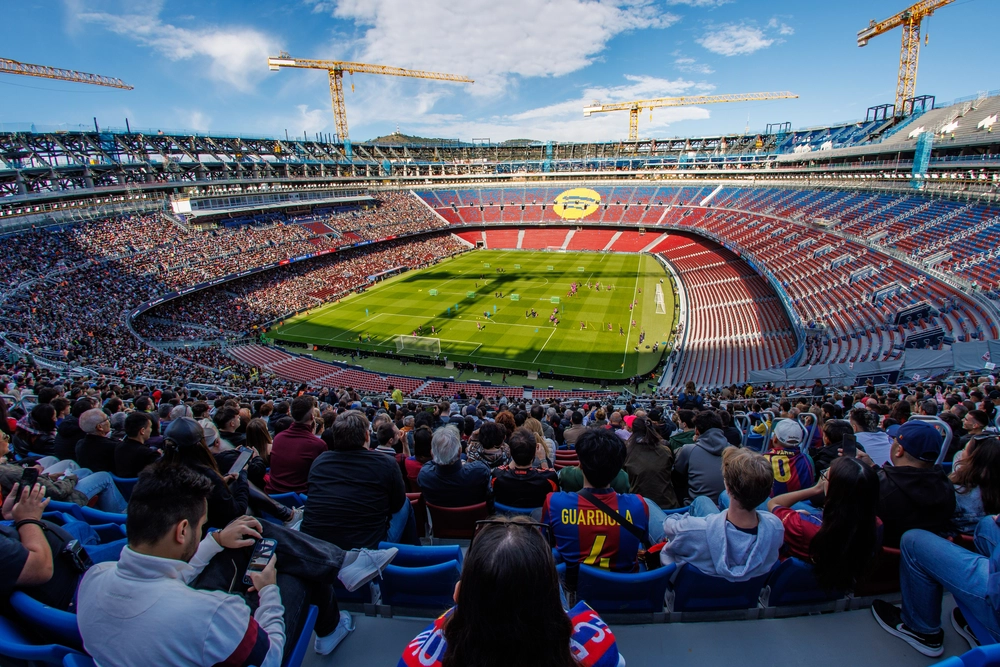
Football is the national sport, and it is followed with a passion that transcends almost everything else. According to Real Federación Española de Fútbol, millions of people tune in weekly to watch the matches. As of February 18, 2026, the local leagues continue to be a primary source of national entertainment and a significant driver of the economy.
28. Two of the World’s Biggest Football Clubs Are Spanish
Real Madrid and FC Barcelona are not just sports teams, they are global icons. Their rivalry, known as El Clásico, is one of the most watched sporting events in the world. Historian Javier Montero has observed that the matches often represent more than just sport, with Real Madrid historically associated with central authority and Barcelona serving as a symbol of Catalan identity. Together, these clubs have dominated European football for decades.
29. Flamenco Was Born in Southern Spain
Flamenco is a complex art form that includes singing, guitar playing, dance, and handclapping. It originated in Andalusia and is rooted in the diverse cultures that inhabited the region, particularly the Romani people. Recognized by UNESCO as a masterpiece of the Intangible Heritage of Humanity, Flamenco is characterized by its intense emotional expression and technical skill.
30. The Running of the Bulls Dates Back Centuries
The San Fermín festival in Pamplona, held every July, is famous for the Running of the Bulls. The tradition dates back to the 13th century and originally had a practical purpose: herders needed a way to transport bulls from the fields into the city center for sale or for the evening bullfights. Over time, it evolved into a test of bravery where participants run ahead of six fighting bulls through the narrow streets of the old quarter.
Architecture and Art Facts About Spain
The architectural landscape of the country is a dialogue between its imperial past and its cutting edge future.
31. La Sagrada Familia Has Been Under Construction for Over 100 Years
Antoni Gaudí’s masterpiece in Barcelona has been a work in progress since 1882. As of early 2026, the main exterior is finally approaching completion, with the central Tower of Jesus Christ set to be finished this year. This tower will reach 172.5 meters, officially making the Sagrada Familia the tallest church in the world, surpassing the Ulm Minster in Germany.
32. Spain Has One of the Highest Numbers of UNESCO World Heritage Sites
As of early 2025, Spain possesses 50 total UNESCO World Heritage Sites, ranking fifth in the world behind only Italy, China, Germany, and France. These sites range from prehistoric cave art in Altamira to the Roman aqueduct of Segovia and the works of Antoni Gaudí. This density of historical treasures makes the country a living museum for travelers.
33. The Largest Royal Palace in Europe Is Located in Spain
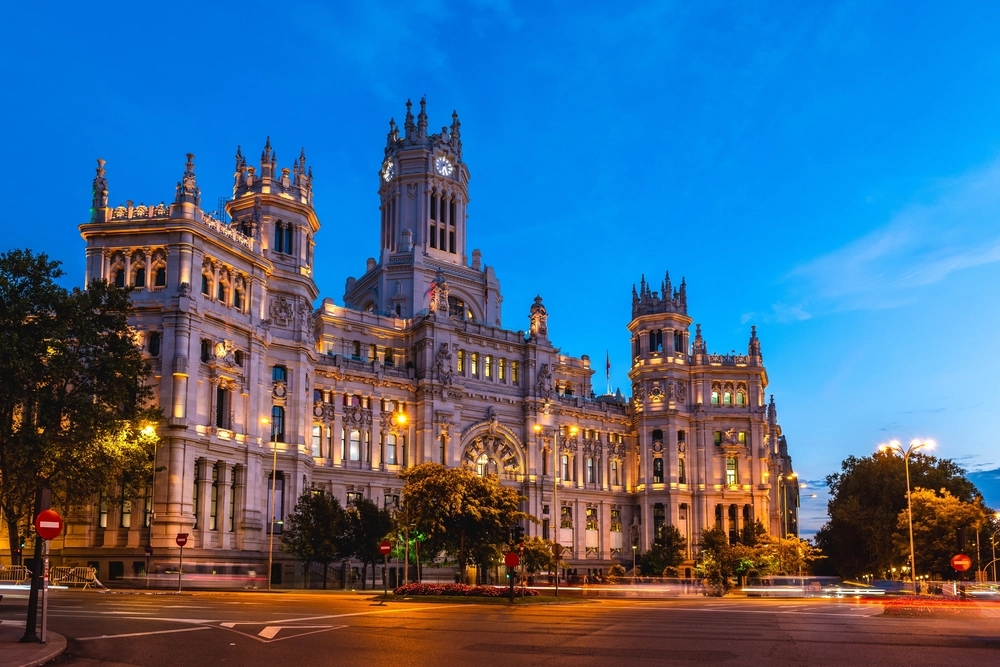
The Royal Palace of Madrid is the largest functioning palace in Western Europe, with a staggering 3,418 rooms and over 135,000 square meters of floor space. It is twice the size of Buckingham Palace or the Palace of Versailles.
While it is the official residence of the Spanish monarch, the royal family currently lives in the much smaller Palace of Zarzuela, and the main palace is primarily used for state ceremonies and as a museum housing works by Goya and Velázquez.
34. Spain Has Produced Some of the World’s Greatest Artists
From the classical mastery of Diego Velázquez and Francisco de Goya to the revolutionary modernism of Pablo Picasso and Salvador Dalí, the nation has shaped the history of art. Their works are housed in world class institutions like the Prado Museum and the Reina Sofía in Madrid, which are essential stops for any cultural traveler.
Why Spain Continues to Fascinate Travelers
Spain is a country that thrives on contrasts. It is a place where you can explore an ancient Moorish fortress in the morning and dine at a world class modernist restaurant at midnight. It is a nation that has successfully preserved its unique identity, from the two surname system to the lyric-less national anthem, while simultaneously embracing a diverse and globalized future.
The allure of the country lies in its ability to synthesize its Roman, Islamic, and Imperial past into a vibrant contemporary culture. Whether you are there to witness the completion of the Sagrada Familia, participate in a local festival, or simply enjoy a long lunch and a siesta, the country offers a pace of life that encourages you to slow down and savor the moment.
This combination of deep history, natural beauty, and a social spirit is what ensures the Kingdom of Spain remains one of the most visited and beloved destinations on the planet.

