
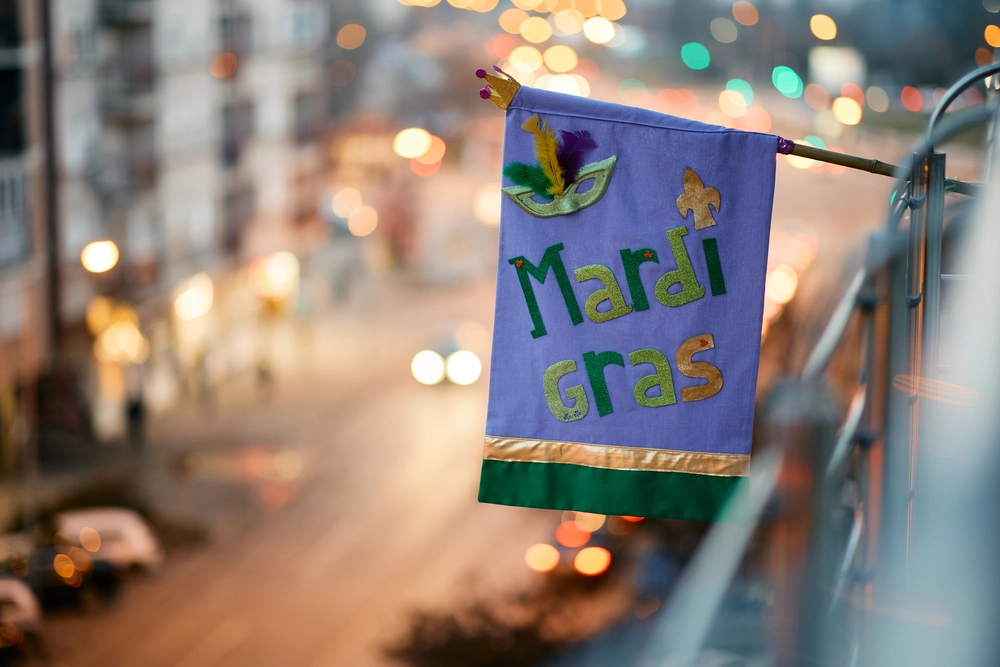
Few celebrations in the world carry the kind of electric, soul-stirring energy that fills the streets of Louisiana’s most iconic city every late winter. Mardi Gras New Orleans is not just a party. It is a living, breathing cultural institution that has shaped the identity of an entire city for centuries, drawing millions of visitors from every corner of the globe who come to witness something they simply cannot experience anywhere else. The experience is simply extraordinary. Stay tuned as we explore the exciting offerings of one the world’s most desirable festivals to attend.
What Is Mardi Gras?
Before diving into the traditions, it helps to answer the foundational question: what is Mardi Gras? At its core, Mardi Gras is a Christian carnival celebration that marks the final period of feasting and revelry before the solemn fasting season of Lent begins. The name itself is French for “Fat Tuesday,” a reference to the tradition of consuming rich, indulgent foods before the 40 days of Lenten sacrifice. While it is observed in various forms across Catholic-influenced cultures worldwide, from Brazil to Venice, nothing quite compares to the scale and spectacle of how New Orleans has made it entirely its own.
When Does Mardi Gras Start and End?
One of the most common questions people ask is: when does Mardi Gras start and end? The answer is more nuanced than most people expect. Technically, the Mardi Gras holiday season in New Orleans begins on January 6th, which is the Feast of Epiphany, also known as King’s Day or Twelfth Night. This is when the first parades and krewe balls begin, gradually building momentum toward the grand finale.
The season then crescendos in the final two weeks before Lent, when the celebrations intensify dramatically. Parades run nearly every day, crowds swell, and the entire city shifts into a festive rhythm unlike any other time of year. The season officially closes on Fat Tuesday, which is the last and most celebrated day of the entire season.
Mardi Gras Colors and Their Meaning
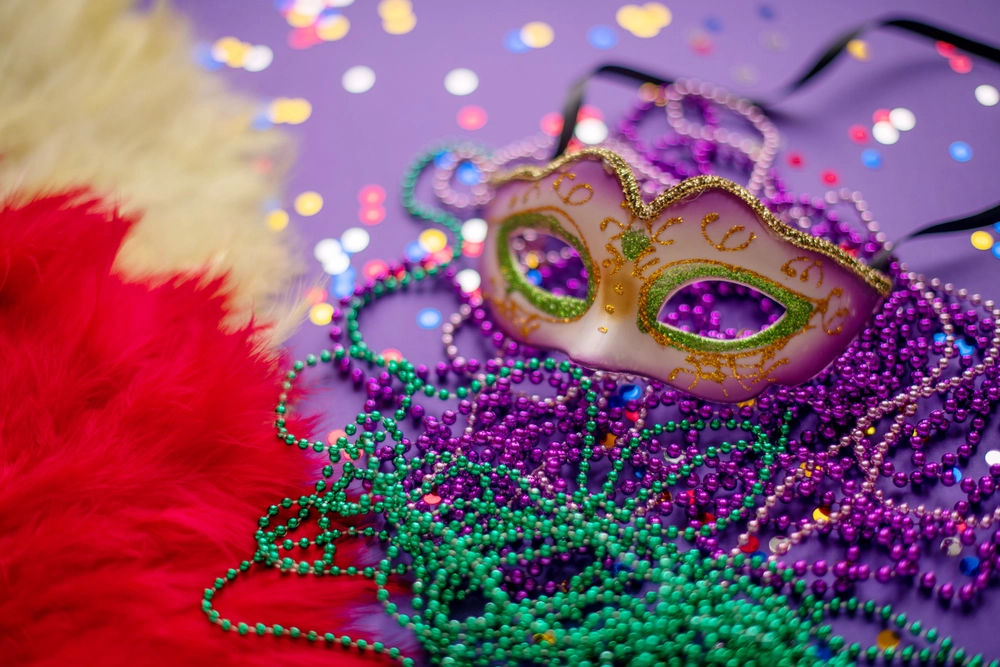
The visual identity of the celebration is instantly recognizable, and Mardi Gras colors carry genuine symbolic weight. The official colors are purple, green, and gold, and they were formalized in 1872 when the Rex krewe assigned each a specific meaning. Purple represents justice, green stands for faith, and gold symbolizes power. These three colors appear on everything from parade floats and costumes to King Cakes, decorations, and even the iconic bead necklaces that have become synonymous with the celebration worldwide.
When Is Fat Tuesday?
Since Mardi Gras is tied to the Christian liturgical calendar, the date changes every year. Fat Tuesday always falls exactly 47 days before Easter Sunday, which itself is calculated based on the lunar calendar. This means Mardi Gras can land anywhere between February 3rd and March 9th depending on the year. In 2026, Fat Tuesday fell on February 17th, making it an early-season celebration. Regardless of the exact date, the energy and traditions remain gloriously consistent year after year.
The Parades: Krewes and Their Royalty
The parade system is the heartbeat of Mardi Gras New Orleans, and it is organized through groups called krewes. These are private organizations, some dating back to the 1800s, that fund and organize elaborate parade floats, costumes, and entertainment. Krewes range from the deeply traditional, such as Rex and Zulu, to the newer and more theatrical, each bringing their own personality to the streets.
Parade riders, known as krewe members, toss coveted throws to the crowds lining the route. These include plastic beads, doubloon coins, cups, stuffed animals, and the most prized of all: hand-decorated coconuts from the Zulu parade. Catching a Zulu coconut is considered one of the great unofficial honors of the season.
King Cake: A Tradition Worth Tasting
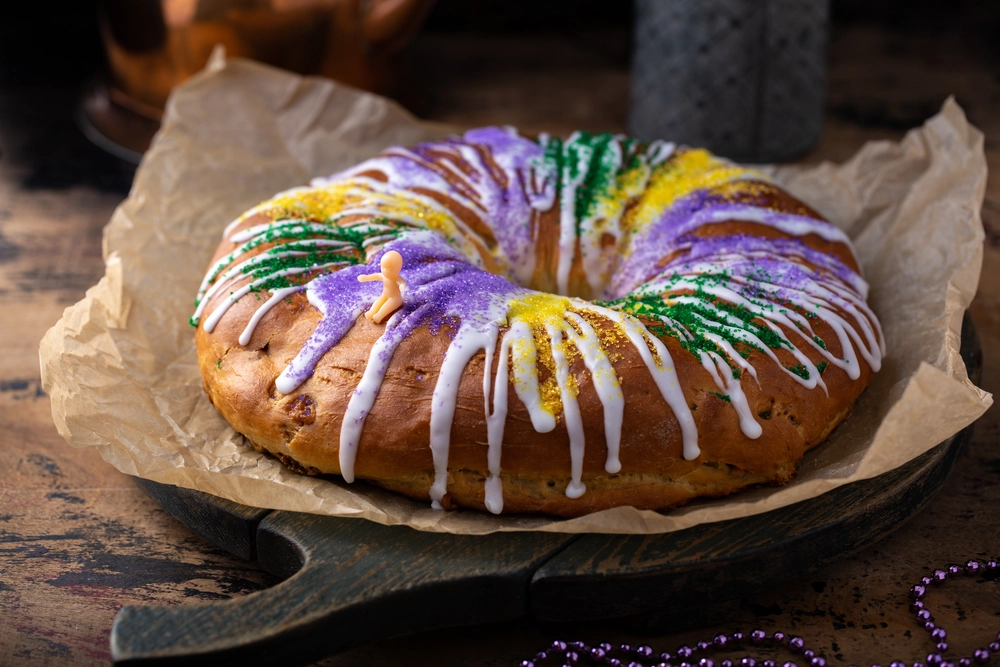
No guide to the season would be complete without mentioning King Cake. This ring-shaped pastry, decorated in purple, green, and gold sugar, is baked with a tiny plastic baby figurine hidden inside. Whoever finds the baby in their slice is said to have good luck for the year, though they are also traditionally obligated to buy the next King Cake. Bakeries across New Orleans sell thousands of these cakes each week throughout the season, and many locals have their loyal favorite bakery.
Why New Orleans Does It Best
The magic of Mardi Gras New Orleans lies in its authenticity. This is not a manufactured tourist spectacle. It is a tradition that locals have protected, celebrated, and passed down through generations, rooted in a unique blend of French, Spanish, African, and Native American cultural influences that make New Orleans unlike any other city on earth.
The music spills out of every doorway. The costumes are elaborate and personal. The joy is entirely real. If you’re looking to explore the bountiful offerings of this festival from anywhere around the globe, get a virtual eSIM USA to remain connected and share every moment of it with family and friends.
Whether you are a first-time visitor or a seasoned regular, there is always something new to discover when the season rolls around and the city comes alive in purple, green, and gold.

