
The Sultanate of Oman is increasingly recognized as a premier global destination for those seeking an authentic Arabian experience that blends ancient heritage with breathtaking natural landscapes. As we move into 2026, the country is positioned at the forefront of the Middle Eastern tourism landscape, specifically focusing on sustainable growth and cultural immersion.
For the modern traveler, finding meaningful things to do in Oman has become easier thanks to the nation’s commitment to preserving its identity while modernizing its infrastructure. Whether you are navigating the high altitudes of the Hajar Mountains or exploring the emerald pools of a hidden wadi, Oman offers a sense of tranquility and space that is rare in the contemporary world.
Industry experts have noted this shift in travel trends. Haitham bin Mohammed Al Ghassani, the Director General of Tourism Promotion at the Ministry of Heritage and Tourism, recently shared that the global recognition of Oman as an emerging destination is a direct result of its unique tourism product. He emphasizes that the country offers a balanced blend of historical heritage and varied landscapes that meet the evolving expectations of global visitors.
Oman offers a remarkable mix of mountains, deserts, and coastal landscapes. If you want a deeper look at the country’s top destinations, explore our guide to the places to visit in Oman before planning your trip.
What To Do In Oman
1. The Royal Opera House Muscat
For travelers looking for cultural Oman things to do, the Royal Opera House Muscat is a mandatory stop. Commissioned by the late Sultan Qaboos bin Said, this venue was the first of its kind in the Gulf region when it opened in 2011. The architecture is a stunning fusion of traditional Omani motifs and contemporary design, utilizing luminous desert rose stone and intricate hand carved woodwork.
Even if you do not attend a performance, taking a guided tour of the building is a highly rewarding experience. Tours are generally available from Saturday to Thursday between 08:30 AM and 05:30 PM, with tickets priced at approximately 3.15 to 4.2 Omani Rials. The venue hosts world class opera, ballet, and musical performances, bridging Omani heritage with global artistic traditions.
2. Wadi Shab: An Adventure in Emerald Waters
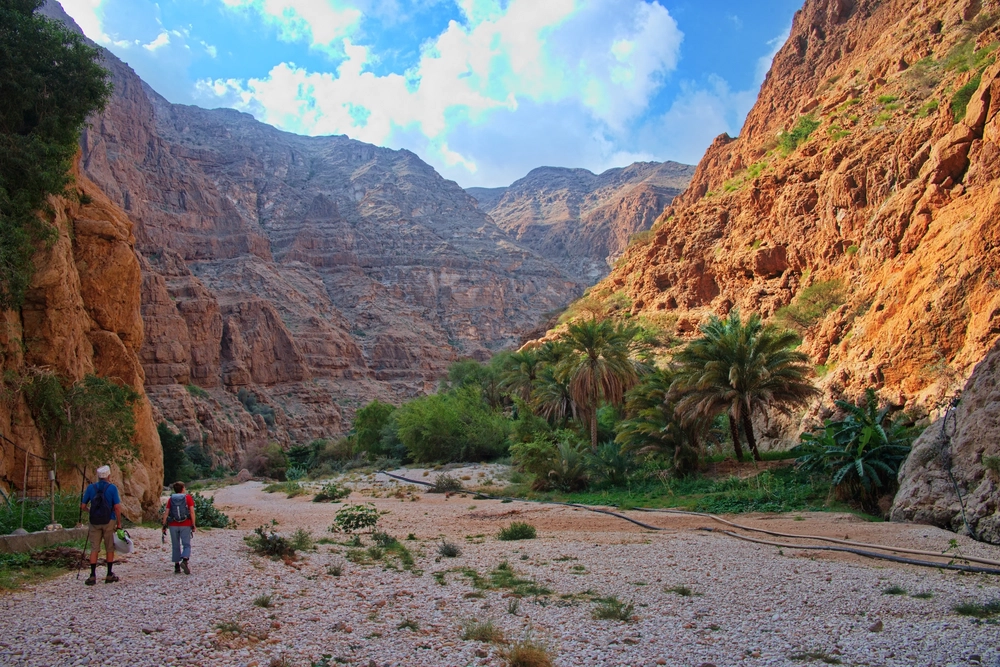
If you are searching for adventurous things to do in Oman, Wadi Shab offers a perfect combination of hiking and swimming. Located about two hours from Muscat, the journey begins with a short boat ride across the entrance of the wadi for a small fee of one Omani Rial. The trail then leads you through a dramatic canyon with towering limestone walls and lush palm groves.
I remember my own visit to Wadi Shab quite vividly. We arrived at the trailhead just as the sun was beginning to peek over the canyon walls around 08:00 AM. Starting early is the best advice I can give, as the silence of the canyon before the crowds arrive is truly magical. The hike takes about 45 minutes to an hour over rocky terrain before you reach the series of freshwater pools.
Swimming through the final narrow cleft in the rock to discover the hidden cave and waterfall was the highlight of my entire trip. The water was a brilliant shade of turquoise, and the sound of the waterfall echoing inside the cavern felt like a scene from another world.
3. The Sultan Qaboos Grand Mosque
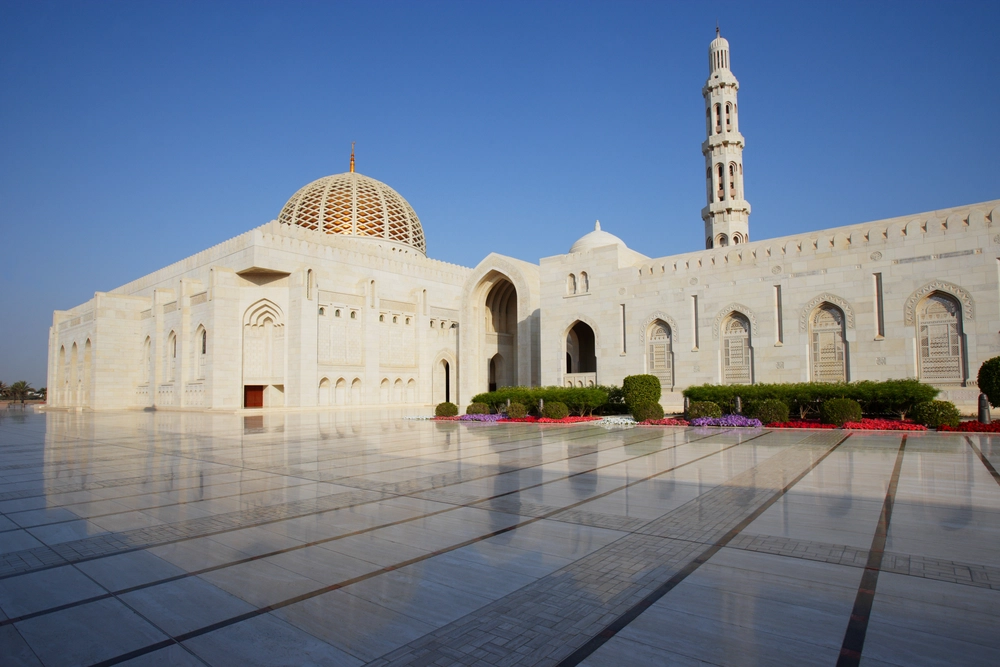
One of the most essential things to do in Oman is to visit the Sultan Qaboos Grand Mosque in Muscat. This architectural masterpiece serves as the religious heart of the capital and is a profound symbol of Omani craftsmanship. Completed in 2001, the mosque can accommodate over 20,000 worshippers and features a stunning 50 meter high dome. For non Muslim visitors, the mosque is open from Saturday to Thursday between 08:00 AM and 11:00 AM.
The interior is famous for its hand woven Persian carpet, which consists of 1.7 billion knots and took 600 weavers four years to complete. Hanging above this incredible floor is a Swarovski crystal chandelier that remains one of the largest in the world. When visiting, it is vital to respect the strict dress code. Women must cover their hair, arms, and legs, while men are required to wear long trousers and modest shirts. This site provides a peaceful introduction to Islamic architecture and the serene atmosphere that defines Muscat.
4. Jebel Shams and the Grand Canyon of Arabia
Jebel Shams is the highest peak in the country, reaching an altitude of 3,009 meters in the Western Hajar Mountains. It is home to Wadi Ghul, frequently referred to as the Grand Canyon of Arabia. For those seeking the best Oman activities, the Balcony Walk is the premier hiking trail in the region. This non technical path skirts the edge of the canyon cliffs, offering dizzying views of the canyon floor nearly 1,000 meters below.
The hike typically takes about three to four hours and leads to the abandoned village of As Sab. The cool mountain air at Jebel Shams provides a stark contrast to the heat of the coastal plains, making it an ideal destination for camping under some of the clearest night skies in the Middle East. This location is a paradise for landscape photographers and adventure seekers alike.
For travelers interested in exploring more mountain routes, our complete guide to hiking in Oman highlights the best trails across the Hajar Mountains.
5. Jebel Akhdar: The Green Mountain
Unlike the rugged peaks of Jebel Shams, Jebel Akhdar is known for its Mediterranean climate and terraced agriculture. Located at approximately 2,000 meters above sea level, it is famous for its rose gardens, which bloom from March to May. During this time, the air is filled with the scent of Damask roses, which are harvested and distilled into rose water using traditional methods.
Visitors can explore ancient mountain villages such as Saiq and Al Ayn, where local families have farmed the terraces for centuries. It is important to note that a 4×4 vehicle is legally required to pass the police checkpoint for Jebel Akhdar due to the steep and winding descent that can be dangerous for standard sedans. The cool summer temperatures, rarely exceeding 28 degrees Celsius, make it one of the most refreshing things to do in Oman during the hotter months.
6. Mutrah Souq and Corniche
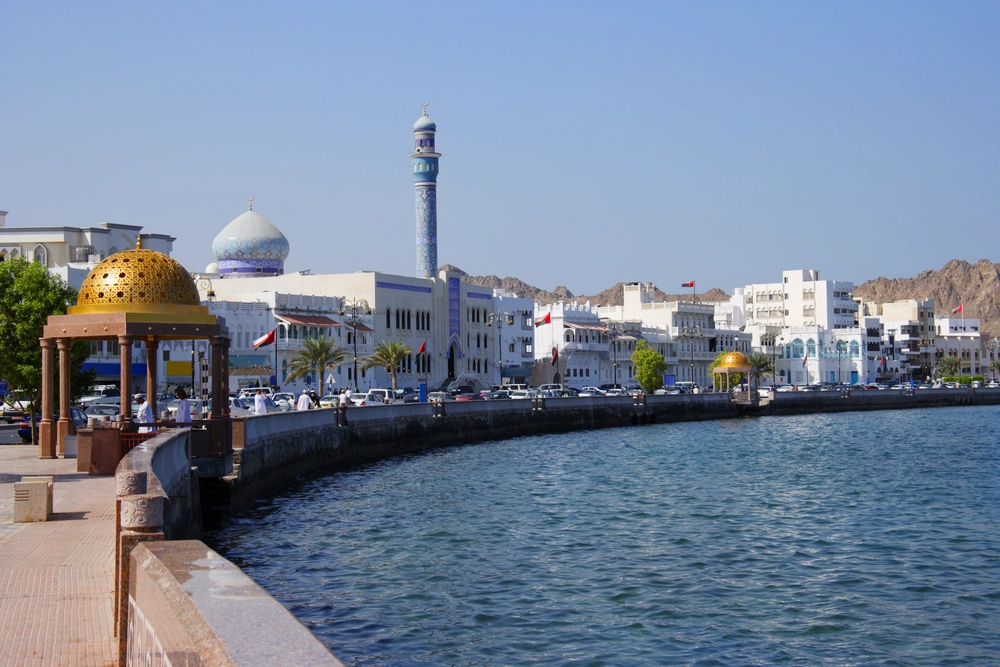
Walking through the Mutrah Souq is consistently ranked among the top things to do in Oman for those who enjoy the sensory richness of traditional markets. Located along the scenic Mutrah Corniche, this souq is one of the oldest in the Arab world and remains a labyrinth of narrow alleys filled with the scent of high grade frankincense, spices, and sandalwood. It is the perfect place to bargain for silver khanjars, which are traditional Omani daggers, and intricate jewelry.
The Corniche itself offers a beautiful waterfront promenade where you can see traditional wooden dhows anchored alongside modern vessels. My personal recommendation is to visit at sunset when the lights of the harbor reflect off the water and the white buildings of the old city glow under the fading sun. After exploring the market, you can find many what to do in Oman recommendations that suggest a stroll toward the nearby Mutrah Fort, which provides an elevated view of the harbor and the surrounding mountains.
7. Wahiba Sands Desert Experience
The Wahiba Sands, also known as the Sharqiya Sands, offer the quintessential Arabian desert adventure. Covering an area of roughly 12,500 square kilometers, the desert is characterized by massive longitudinal dunes that shift from gold to deep amber. Spending a night in a Bedouin style desert camp is one of the most authentic things to do in Oman, providing a profound sense of isolation and peace.
Activities in the sands include 4×4 dune bashing, camel rides at sunset, and stargazing. Many camps also offer traditional Omani dinners around a campfire, where you can learn about the history of the local tribes. For those interested in the best things to do in Oman, a desert safari is often the top recommendation for a truly memorable journey into the heart of the country’s wilderness.
8. Nizwa Fort and the Friday Cattle Market
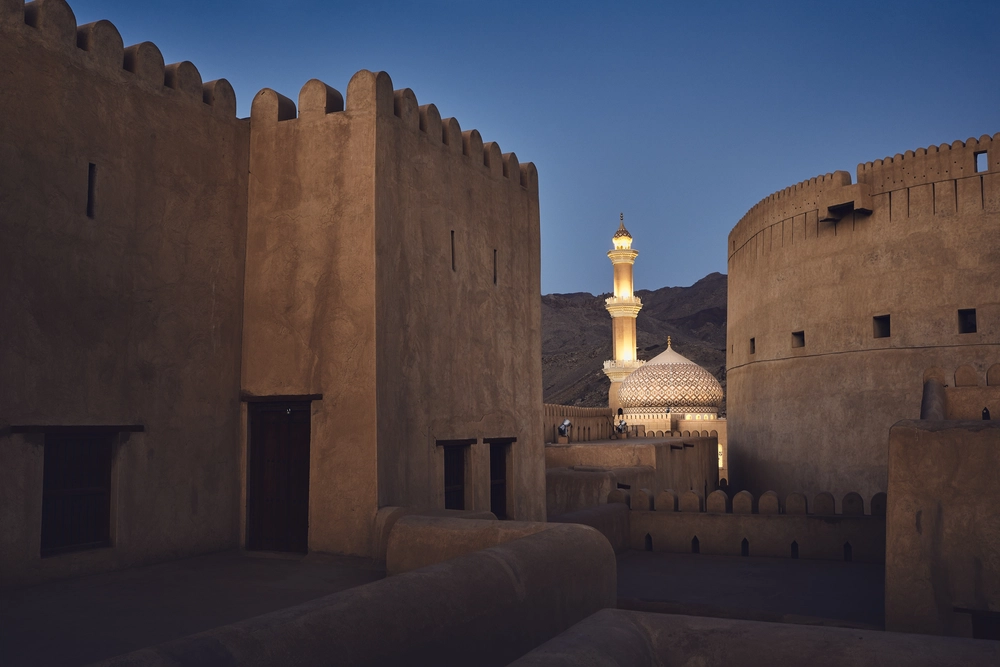
Nizwa was the capital of Oman in the 6th and 7th centuries and remains its primary intellectual and religious center. The Nizwa Fort, built in 1656, is famous for its massive circular tower which offers a 360 degree view of the ancient city and the surrounding date palm groves. Climbing the tower is one of the most popular historical things to do in Oman, allowing visitors to see the defensive mechanisms like murder holes that were once used to pour boiling date syrup on attackers.
If your schedule allows, try to visit on a Friday morning for the traditional cattle market. Starting at dawn, herders from the surrounding mountains bring their goats, sheep, and cows to be auctioned in a spirited display of Omani culture that has remained unchanged for centuries. The nearby Nizwa Souq is also excellent for purchasing silver jewelry, pottery, and Omani halwa, a traditional sweet treat.
9. Ras Al Jinz Turtle Reserve
At the easternmost point of the Arabian Peninsula, the Ras Al Jinz Turtle Reserve provides a rare opportunity to witness the life cycle of the endangered Green Turtle. The reserve is a globally significant nesting site where thousands of turtles return each year to lay their eggs. Guided night and dawn tours are the only way to access the beach, ensuring that the turtles are not disturbed by tourists.
Watching a massive turtle crawl back to the sea under the moonlight or seeing tiny hatchlings make their dash to the water is one of the most moving things to do in Oman. Because visitor numbers are strictly controlled for conservation purposes, it is highly recommended to book your tours at least three days in advance. This experience perfectly aligns with Oman’s growing focus on eco tourism and responsible travel.
10. Bimmah Sinkhole
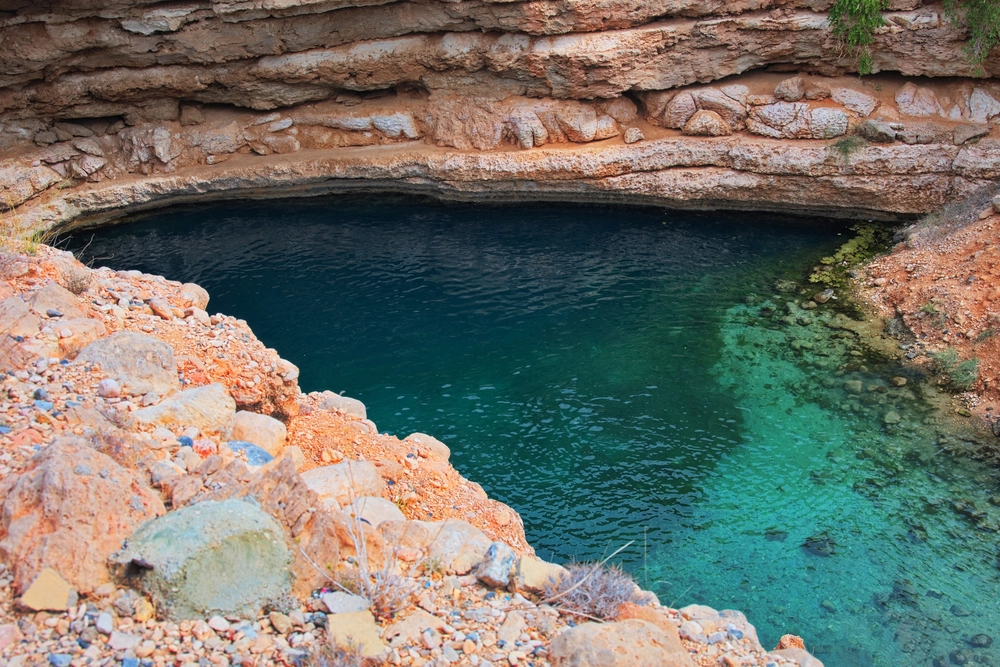
A short drive from Wadi Shab brings you to the Bimmah Sinkhole, a stunning natural limestone crater filled with crystal clear turquoise water. This site is one of the most accessible geological things to do in Oman, as it features a long concrete staircase leading down to the water’s edge. Geologically, the sinkhole was formed by the collapse of the surface layer due to the dissolution of underlying limestone, though local legends once claimed it was created by a meteorite.
The sinkhole is part of Hawiyat Najm Park and is a popular spot for both swimming and photography. The water is a mix of fresh and salt water, and visitors often enjoy the small doctor fish that provide a natural pedicure if you dangle your feet in the pool. To avoid the midday heat and larger tour groups, plan your visit for the early morning.
11. Daymaniyat Islands Nature Reserve
The Daymaniyat Islands are a string of nine islands northwest of Muscat that are often called the jewel of Oman’s marine life. The islands are a protected nature reserve featuring pristine coral reefs and white sandy beaches. Snorkeling and diving here are among the most spectacular things to do in Oman, with a high probability of swimming with sea turtles and, during the autumn months, whale sharks.
Boat tours depart from Al Mouj Marina in Muscat and typically include lunch and snorkeling gear. To protect the nesting birds and turtles, access to the islands is restricted during certain months, so it is important to check the latest regulations before booking.
The crystal clear waters and abundant marine life make this a paradise for underwater enthusiasts. If you love coastal adventures, you can discover more stunning shores in our guide to the best Oman beaches.
12. Musandam Peninsula: The Norway of Arabia
The Musandam Peninsula is an Omani exclave separated from the mainland by the UAE, characterized by dramatic fjords and mountain edged bays. The primary activity here is a full day dhow cruise through the Strait of Hormuz. During the cruise, visitors can enjoy snorkeling in clear waters and watching pods of Indo Pacific bottlenose dolphins that frequently swim alongside the boats.
The town of Khasab serves as the regional hub, offering a historic fort that overlooks the Gulf. For those exploring things to do in Oman that involve rugged coastal beauty, Musandam is an essential destination. The combination of sheer cliffs plunging into the sea and the traditional atmosphere of the local villages provides a unique perspective on the country’s maritime heritage.
13. Salalah and the Khareef Season
In southern Oman, the city of Salalah and the Dhofar region offer a landscape that is entirely different from the rest of the country. During the summer months of June to September, the region experiences the Khareef, or southeastern monsoon. This turns the arid mountains into a lush, green tropical paradise with flowing waterfalls and misty hills.
The lush transformation of the Dhofar region happens during the Khareef monsoon season. To understand when this phenomenon occurs, check our guide on the best time to visit Oman.
Salalah is also the historic heart of the frankincense trade, a UNESCO World Heritage site. You can visit the Al Baleed Archaeological Park and the Land of Frankincense Museum to learn about the ancient trade routes that connected Oman to the Roman Empire and China. Exploring the tropical landscapes of Wadi Darbat and the blowholes of Mughsail Beach are some of the most refreshing things to do in Oman during the monsoon season.
14. Bahla Fort and Jabrin Castle
Oman is known as the country of a thousand forts, and the interior is home to some of the most impressive examples of Islamic military architecture. Bahla Fort is a UNESCO World Heritage site and the oldest fortress in Oman, dating back to the 12th century. Its massive mud brick walls stretch for 12 kilometers and surround the town of Bahla.
A short distance away is Jabrin Castle, which was built in 1675 not just as a defensive structure but as a center of learning for medicine, astrology, and law. The interior of the castle is famous for its painted wood ceilings, particularly the Sun and Moon Room, and intricate calligraphy.
Visiting these two sites together is one of the most enriching things to do in Oman for those interested in history and architectural aesthetics. Entry for tourists at the National Museum in Muscat is another great way to supplement this historical journey.
15. Canyoning in Snake Canyon
For high adrenaline adventurers, Snake Canyon in Wadi Bani Awf is the premier canyoning destination in the country. The canyon is a deep and narrow crack in the mountains that requires a three to five hour journey to traverse. The route involves rappelling down 20 meter cliffs, jumping into deep freshwater pools, and swimming through narrow water filled corridors.
This activity is physically demanding and must be undertaken with a professional guide who provides all necessary gear, including helmets and life jackets. Because of the risk of flash flooding, canyoning should only be attempted during the dry season and with an expert who understands the local weather patterns. It is undoubtedly one of the most thrilling things to do in Oman for those who are physically fit.
Connectivity and Logistics: Staying Online with eSIM Oman
In the modern travel world, staying connected is essential for navigation, booking activities, and sharing experiences. Traditional roaming can be incredibly expensive, which is why many travelers now opt for a digital solution. Using an esim Oman plan allows you to stay connected to local networks like Omantel or Ooredoo immediately upon arrival. This technology is particularly useful for those planning to drive themselves across the country, as reliable maps are vital for reaching remote wadis and desert camps.
For a premium and professional experience, BENOsim offers high quality connectivity solutions that align with the needs of the modern luxury traveler. Their services are designed for seamless activation, ensuring that you can manage your journey through Oman with the same level of attention to detail that you would expect from a luxury rental or private tour. You can easily purchase and install your plan before you depart, allowing for a stress free transition into your Omani adventure.
Practical Information for 2026 Travelers
Many travelers combine these experiences into a multi day trip. Our suggested Oman itinerary can help you plan the perfect journey. Planning a trip to Oman requires some logistical preparation to ensure a smooth experience.
Most international travelers now enter through the Muscat International Airport, which serves as a major regional hub. As of 2026, the introduction of the Unified GCC Visa is expected to simplify travel across the region, allowing visitors to combine a trip to Oman with neighboring countries like the UAE or Saudi Arabia on a single permit.
When it comes to transportation, the general rule is that the car is king. While highways are excellent, a 4×4 vehicle is essential for many of the top things to do in Oman, including desert exploration and mountain access. Because many attractions are spread across mountains and deserts, understanding getting around Oman is essential before starting your trip.
Modesty is the primary rule for social conduct. Both men and women should ensure their shoulders and knees are covered when in public spaces. While Oman is a forward looking nation, it remains deeply proud of its heritage, and respecting local customs—such as removing shoes before entering a home or asking permission before taking photos of people—will go a long way in ensuring a warm welcome.

