
The Sultanate of Oman often appears in glossy travel magazines as a land of ultra luxury resorts and private desert camps that cost a small fortune. Because of this high end branding many travelers find themselves asking is Oman expensive before they even book a flight. The truth is that while the country caters to the wealthy it remains one of the most accessible destinations in the Middle East for those who know how to navigate its unique economic landscape.
If you are looking to travel Oman on budget you do not have to sacrifice the experience of seeing some of the most dramatic landscapes on the planet. By focusing on the natural commons and the local service economy you can explore this Arabian jewel for a fraction of the price most tourists pay.
If this is your first trip, our complete guide to traveling to Oman covers the essentials before you set your budget.
Understanding the Financial Landscape and Oman Currency
The first thing every visitor notices is the strength of the local money. The Oman currency known as the Rial is one of the most powerful in the world and it is pegged to the US dollar. One Rial is roughly equal to two dollars and sixty cents which can cause immediate sticker shock when you see a simple meal priced at three or four units. However the Rial is divided into one thousand units called baisa. This granular division is actually helpful for those trying to travel Oman on budget because small differences in baisa can add up over a two week trip.
When planning your arrival you should know that the 2026 fiscal environment remains stable but the high value of a single unit means you must be disciplined. While some might ask is Oman cheap the answer depends entirely on your willingness to step away from international hotel chains. Domestic service costs remain remarkably low due to a large expatriate workforce from South Asia. This creates a two tiered economy where luxury exists alongside very affordable daily living costs for food and basic services.
Visa Requirements and the New Regional Access
In 2026 entering the country is easier than ever for many nationalities. If you are staying for 14 days or less and come from one of the hundred plus eligible countries you can take advantage of the visa waiver program. This essentially means zero entry costs for a two week road trip as long as you have a confirmed hotel booking and health insurance. For longer stays the standard eVisa through the Royal Oman Police remains the best path.
A major development for the current year is the rollout of the GCC Grand Tours Visa. This permit allows travelers to move between Oman and its neighbors like the UAE and Saudi Arabia on a single document. For anyone backpacking Oman and the wider region this is a massive cost saver that eliminates the need for five or six separate visas.
If you want the latest entry details, read our full guide to visa requirements for Oman before booking.
Transportation Strategies for the Budget Traveler
Transportation is typically the largest expense for anyone trying to travel Oman on budget. Public transport is limited once you leave the capital city. While the national bus company known as Mwasalat provides excellent intercity links for very low prices it does not offer the flexibility needed to reach remote wadis or mountain peaks.
For example a bus from Muscat to Salalah costs only 8 Rial which is roughly 21 dollars for a twelve hour journey. However once you arrive at the bus station in a new city you are often at the mercy of expensive taxis.
Renting a vehicle is the most strategic move for those who want to save money. Many travelers assume they need a 4×4 for everything but about eighty percent of the major attractions are accessible in a small 2WD sedan. Choosing a fuel efficient small car can save you nearly eighty dollars per day in rental fees alone.
Gasoline remains one of the few items that is genuinely inexpensive in the Sultanate with prices hovering around sixty cents per liter. This makes long road trips very affordable once the initial rental is paid.
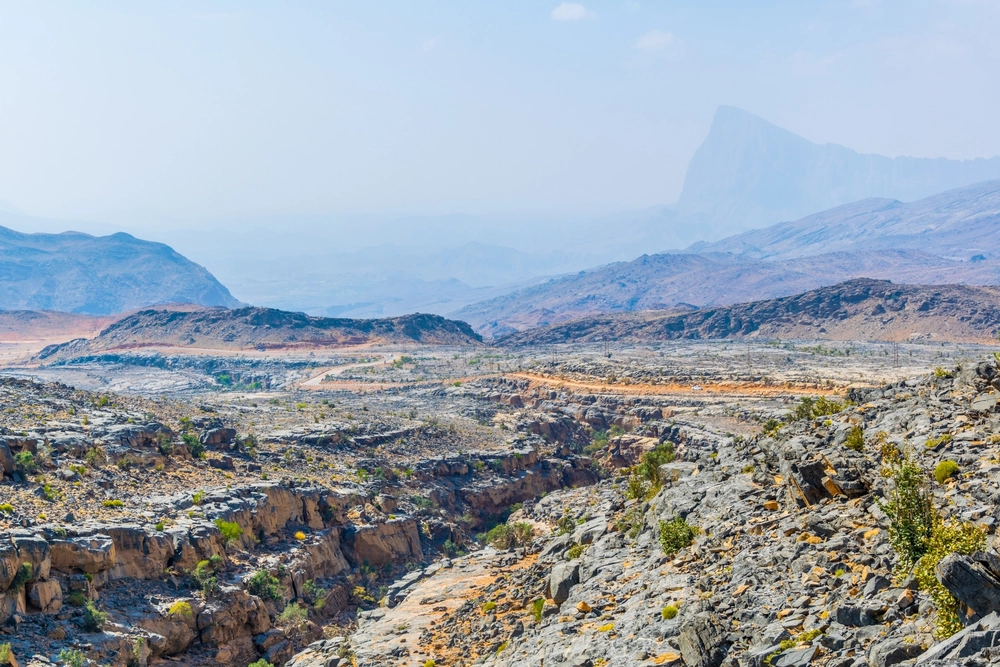
During my own journey through the Hajar Mountains in late 2025 I chose to drive a high clearance 2WD vehicle. I remember the incredible sense of relief when I realized I could reach the rim of Jebel Shams without the hundred dollar daily premium of a full 4×4.
I spent that evening watching the sunset over the Grand Canyon of Arabia with nothing but a tent and a sense of absolute freedom. That experience confirmed for me that you do not need the most expensive gear to have the most meaningful moments.
Since transport is usually the biggest expense, our guide to getting around Oman can help you choose between buses, taxis, and self-drive options. For travelers who want to focus on mountain routes and canyon walks, see our guide to hiking in Oman.
Accommodation and the Culture of Wild Camping
If you are wondering how much will an Oman trip cost the answer depends heavily on where you sleep. There is a notable absence of traditional hostels in the country which can make solo travel difficult. Most budget hotels start at around thirty to forty dollars per night. To truly minimize costs you should embrace the legal and safe culture of wild camping.
Oman is one of the few places in the world where you can pitch a tent almost anywhere on public land. Whether it is a white pebble beach near Fins or a mountain plateau in the interior the land is open to you for free. However 2026 has brought some new regulations to keep in mind.
In the Muscat Governorate specifically you can camp for up to 48 hours without any permit. If you plan to stay longer in the capital region you must apply for a permit and pay a refundable deposit of 100 Rial. Outside of Muscat the rules remain very relaxed provided you stay away from residential areas and nature reserves.
Industry expert Massimo Tocchetti, the President of AIGO has noted that fostering genuine connections with local communities and respecting the natural environment is central to the future of travel here. He emphasizes that niche high value products are essential but so is a human centered and immersive experience that honors the landscape.
For the budget traveler this means leaving no trace and respecting the privacy of local villages while enjoying the free natural commons. Budget travelers can also save money by camping near some of the country’s best coastal spots featured in our guide to Oman beaches.
Staying Connected with an esim Oman
Connectivity is a utility that many budget travelers overlook until they receive a massive roaming bill. In 2026 the most efficient way to stay online is to secure an esim Oman before you even arrive. Digital infrastructure has advanced rapidly and while local physical SIM cards are available at the airport for about five to ten Rial the convenience of a digital eSIM allows you to have GPS and translation tools working the moment you land.
Having a reliable data connection is essential for finding remote camping spots and checking weather forecasts for wadis. Since public transport is sparse you will rely heavily on apps for navigation and occasionally for ride hailing services like Otaxi in Muscat. Staying connected ensures you can find the cheapest local eateries and avoid the expensive tourist traps that are often clustered around major hotels.
Eating and Provisioning Like a Resident
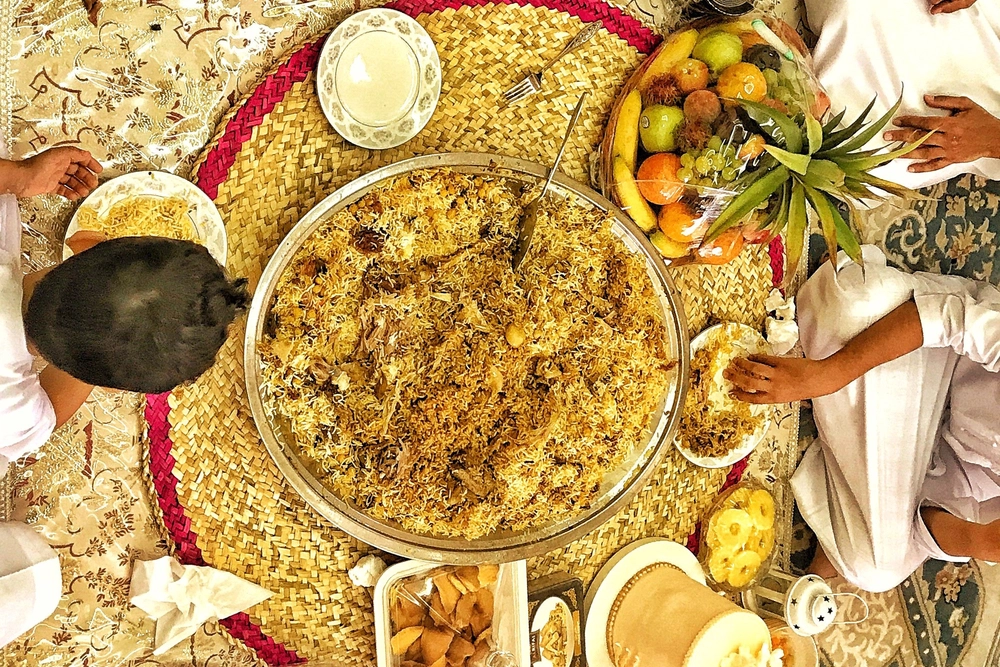
Food is one area where it is very easy to save money. The country has a thriving “coffee shop” culture which refers to small local diners usually run by the South Asian diaspora. In these spots you can get a massive plate of chicken biryani or a fresh shawarma for three to five dollars. These meals are often tastier and more authentic than what you find in high end hotel buffets.
For those camping or road tripping the Lulu Hypermarket chain is your best friend. Provisioning here is significantly cheaper than eating out every day. You can pick up a pack of fresh Arabic bread for 150 baisa or about forty cents and a large roasted chicken for just a few dollars. Keeping a cool box in your car and stocking up on staples like hummus dates and local fruits will keep your daily food spend under fifteen dollars without much effort.
Sightseeing and Free Natural Attractions
Many of the best places to visit in Oman are natural attractions that cost little or nothing to enjoy. The most beautiful parts of the country are completely free to enter. Unlike many other global destinations Oman has not yet monetized its natural wonders.
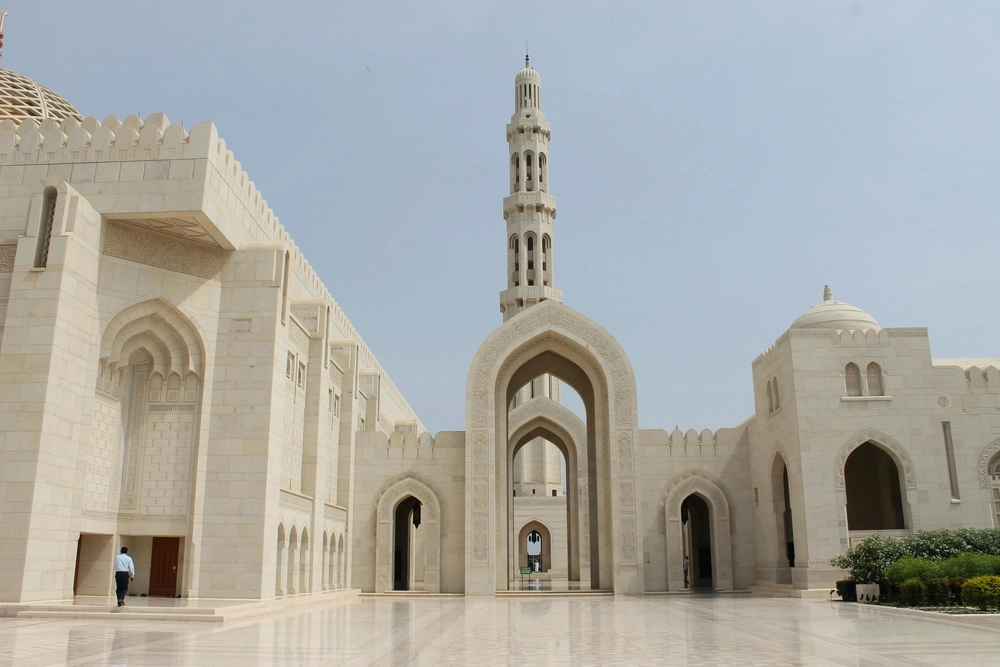
You can hike through Wadi Shab which only requires a tiny one Rial boat fee to cross the river or swim in the turquoise pools of Wadi Bani Khalid without paying an entrance fee. The Sultan Qaboos Grand Mosque in Muscat is also free to visit for non Muslims during morning hours and it is an architectural masterpiece that should not be missed.
Haitham bin Mohammed Al Ghassani the Director General of Tourism Promotion has stated that the selection of Oman as a top emerging destination is a result of the diverse tourism experiences it offers which meet the expectations of modern travelers.
He points out that the ministry is focused on a sustainable model that respects national identity while offering authentic experiences. This commitment to sustainability is why many of the best mountain trails and coastal coves remain pristine and open to the public.
If you want to build a low-cost adventure list, explore our full guide to things to do in Oman.
Budget Itinerary and Final Considerations
Before planning your route, it helps to understand the best time to visit Oman so you can avoid extreme heat and get more value from your trip. To map out your route efficiently, use our suggested Oman itinerary as a starting point.
A typical ten day trip for someone looking to travel Oman on budget can be managed for around forty to sixty dollars per day if you share a rental car with a friend and camp half of the time. This budget covers your vehicle fuel food and occasional hotel stays for a shower and a comfortable bed. It is a style of travel that requires more planning than a pre packaged tour but the rewards are far greater.
You will find that the people are incredibly hospitable and safe. It is not uncommon for locals to invite you for coffee or help you if you look lost on a mountain road. This genuine warmth is part of what makes the country so special. As long as you dress modestly and respect local customs you will be welcomed with open arms.
To maximize your savings you should check the intercity schedules on the Mwasalat if you plan to move between major hubs without a car. While a vehicle is recommended for the best experience the bus system is a reliable backup for the most budget conscious segments of your journey.
Oman in 2026 is a destination that proves luxury is a choice rather than a requirement. By focusing on the strength of the baisa the legal freedom of wild camping and the deliciousness of local coffee shops you can experience one of the most stable and stunning countries in the Middle East without overspending.
The key is to embrace the local way of life and let the landscape be your primary entertainment. Whether you are swimming in a hidden cave or waking up to the call of the desert you will find that the best things here truly do not have a price tag.

