
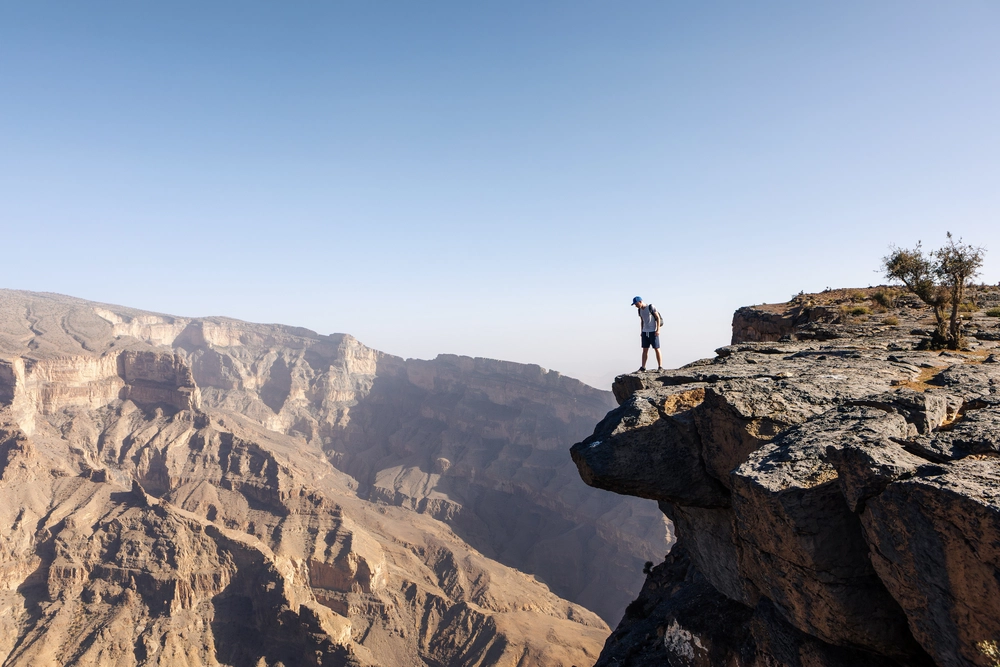
Oman is one of the most fascinating adventure destinations in the Middle East. Unlike many countries in the Arabian Peninsula that are dominated by vast deserts, Oman offers dramatic mountains, deep wadis, lush seasonal valleys, and coastal trails that create incredible trekking opportunities. Because of this natural diversity, hiking in Oman has quickly become one of the country’s most exciting outdoor experiences for travelers.
From the towering limestone peaks of the Hajar Mountains to hidden pools inside canyon wadis, the landscape offers routes for beginners and experienced adventurers alike. Many of these trails also pass through traditional villages where farming terraces, ancient irrigation systems, and centuries old paths tell the story of Oman’s culture and resilience.
Among the many things to do in Oman, exploring the mountains and wadis on foot is one of the most rewarding experiences. In this guide, you will discover the best places for hiking in Oman, the landscapes that make the country unique, and the essential tips that will help you plan a safe and memorable trek.
Why Oman is a Rising Destination for Hiking
Adventure tourism has grown significantly in Oman over the past decade. The country’s rugged interior, preserved natural environments, and relatively uncrowded trails make it attractive for outdoor enthusiasts seeking authentic experiences.
The government has actively promoted eco tourism and adventure travel, including the development of marked trails across the Hajar mountain range. According to the Oman Ministry of Heritage and Tourism, hiking and outdoor exploration are among the fastest growing tourism sectors in the country.
Many travelers who come for culture or desert experiences often discover that the country’s mountainous landscapes offer some of the most rewarding trekking routes in the Middle East.
What makes Oman particularly special for trekkers is the variety of terrain. Within a few hours you can move from coastal cliffs to high altitude mountains or cool canyon pools.
Best Season for Hiking Adventures in Oman
Timing is one of the most important factors when planning outdoor activities in Oman. Temperatures can vary significantly depending on the region and altitude.
The most comfortable season for hiking in Oman is from October to March. If you are planning a trip around weather conditions, check our detailed guide on best time to visit Oman before finalizing your travel plans. During this period, temperatures are mild and daytime conditions are ideal for long outdoor walks.
Mountain regions such as Jebel Shams and Jebel Akhdar remain pleasantly cool, while coastal areas around Muscat also experience comfortable weather. Many hikers stay overnight in nearby mountain resorts or eco lodges listed in our guide to the best hotels in Oman.
Summer months from May to September are extremely hot in most parts of the country. Temperatures often exceed 40 degrees Celsius, making strenuous outdoor activity dangerous.
However, the southern region of Dhofar around Salalah experiences the Khareef monsoon from June to early September. During this time the mountains turn green and misty, creating a unique summer trekking environment.
If you are planning your first adventure here, our guide to traveling to Oman covers transportation, culture, and travel tips.
Trekking Places In Oman
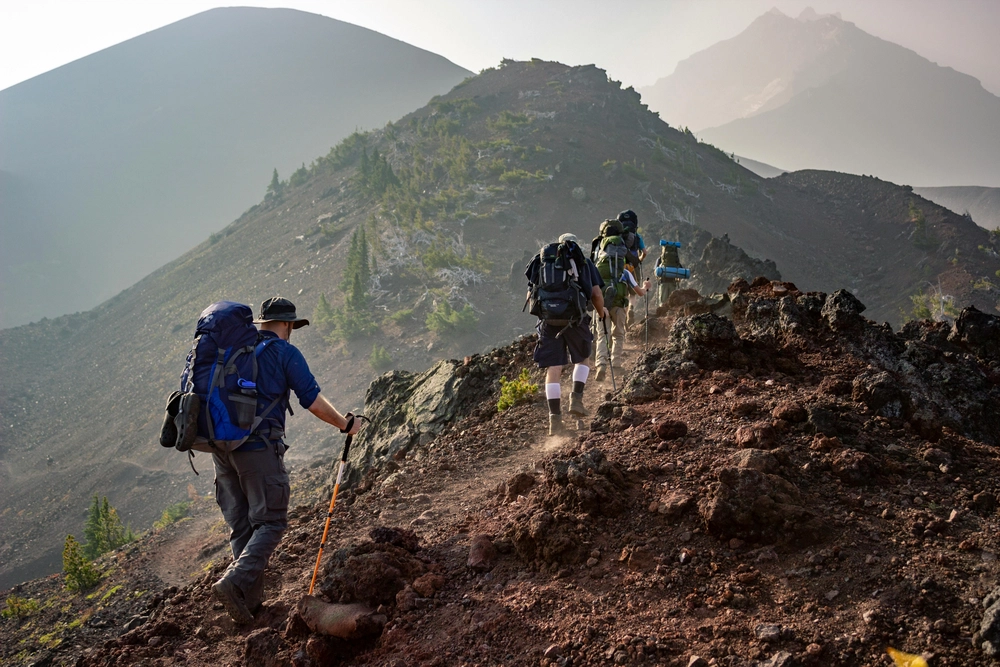
Jebel Shams and the Balcony Walk
One of the most famous trails for hiking in Oman is the Balcony Walk on Jebel Shams, the highest mountain in the country. Jebel Shams rises to about 3009 meters above sea level and overlooks the spectacular Wadi Ghul canyon.
The trail follows an old path carved along the canyon wall that once connected mountain villages. As hikers move along the route they are rewarded with breathtaking views into what many travelers call the “Grand Canyon of Arabia.”
The Balcony Walk is about seven kilometers round trip and typically takes three to four hours to complete. While it is considered moderately challenging, the path is relatively stable and suitable for hikers with basic fitness levels.
One thing that makes this trail special is the abandoned village of As Sab, located on a rocky ledge along the route. The ruins offer a glimpse into the region’s past when families lived in isolated mountain settlements.
Many travelers consider Jebel Shams the highlight of their Oman hiking journey because of the dramatic landscape and panoramic views.
Jebel Akhdar and the Village Walks
Jebel Akhdar, which translates to “Green Mountain,” offers a completely different hiking environment compared to the rugged cliffs of Jebel Shams.
Located within the Hajar Mountains, this region is known for its terraced farms and cooler climate. Villages such as Al Ayn, Al Aqr, and Ash Shirayjah are connected by traditional walking routes that pass through orchards and irrigation channels.
These trails allow visitors to observe local agricultural practices including the cultivation of pomegranates, walnuts, and the famous Damask roses used for rosewater production.
The village walk between Al Ayn and Al Aqr is one of the most scenic short routes in the country. Along the way hikers can see stone houses, terraced gardens, and falaj irrigation channels that have supported mountain communities for centuries.
Access to Jebel Akhdar requires a four wheel drive vehicle because the mountain road climbs steeply through a checkpoint before reaching the Saiq Plateau.
Wadi Shab Canyon Adventure
For travelers who enjoy combining trekking with swimming and exploration, Wadi Shab is one of the most exciting locations for hiking in Oman.
Located about 90 minutes from Muscat, this narrow canyon offers a unique journey through towering cliffs and crystal clear pools.
The adventure begins with a short boat crossing before hikers enter the canyon on foot. The trail winds through rocky passages and palm groves until it reaches a series of emerald colored pools.
To continue deeper into the canyon, visitors must swim through several sections of water before reaching a hidden cave where a waterfall flows inside the rock chamber.
The combination of walking, scrambling, and swimming makes Wadi Shab one of the most memorable outdoor experiences in Oman.
According to National Geographic, visitors should always check the weather forecast before heading into a wadi, as flash floods are a serious environmental hazard. Even a small amount of rain in the distant mountains can cause water levels to rise rapidly in these narrow gorges.
Wadi Bani Khalid Oasis
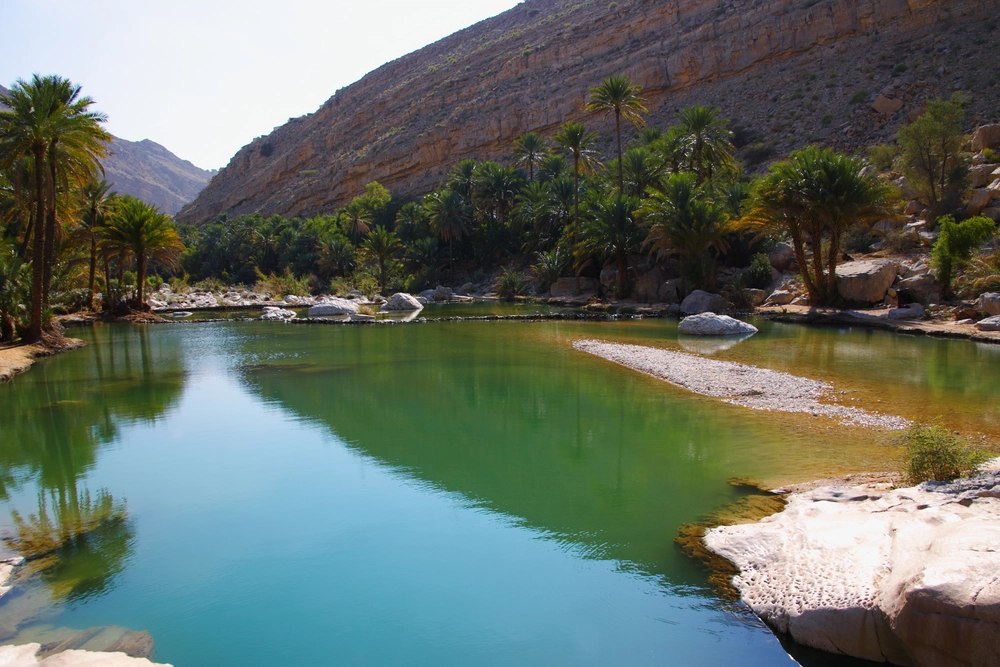
Another popular destination for trekking in Oman is Wadi Bani Khalid, known for its accessible pools and dramatic canyon formations.
Unlike many wadis that dry out during parts of the year, this oasis maintains water throughout all seasons. The main pools are located close to the parking area, making them easy to reach for families and casual hikers.
However, those looking for a longer trek can continue deeper into the valley where trails lead to Muqal Cave. The route becomes more adventurous with boulder scrambling and narrow canyon paths.
The turquoise water surrounded by golden cliffs creates one of the most photographed landscapes in the country.
Many travelers include these mountain trails in their broader Oman itinerary, combining hiking with cultural exploration.
The Khareef Trails of Salalah
While most of Oman experiences extreme summer heat, the Dhofar region becomes a lush green landscape during the Khareef monsoon.
Mist from the Indian Ocean covers the mountains around Salalah, transforming the desert environment into a cool and humid ecosystem.
Wadi Darbat is one of the most famous locations during this season. Waterfalls flow down the cliffs and grazing camels wander through the green valleys.
Another remarkable destination is Jebel Samhan, where trekkers can walk along high plateaus overlooking a sea of clouds below.
Coastal Trails Around Muscat
Not all trekking routes require remote mountain travel. The coastal hills surrounding Muscat offer excellent trails that combine nature with views of the sea.
One of the best examples is the Riyam to Muttrah trail, a historic route once used by traders moving between coastal settlements. The path climbs above the Muttrah Corniche before descending into a small valley that leads toward Riyam Park.
From the ridge, hikers can enjoy stunning views of the harbor and surrounding mountains.
These shorter routes are perfect for travelers who want to experience trekking without leaving the capital region.
These landscapes are also among the most spectacular places to visit in Oman, attracting nature lovers from around the world.
Staying Connected During Remote Treks
Modern technology has made outdoor exploration significantly safer. Navigation apps, offline maps, and weather alerts allow travelers to prepare more effectively before heading into remote areas.
Many visitors now rely on an esim Oman plan so they can access maps and emergency services without needing to buy a local SIM card after arrival.
For travelers exploring mountains and wadis, connectivity can be useful for downloading trail routes, checking weather forecasts, and contacting guides when necessary. BenoSim provides travel connectivity solutions designed for travelers who want reliable data while exploring destinations like Oman.
Essential Safety Tips for Hiking Trips
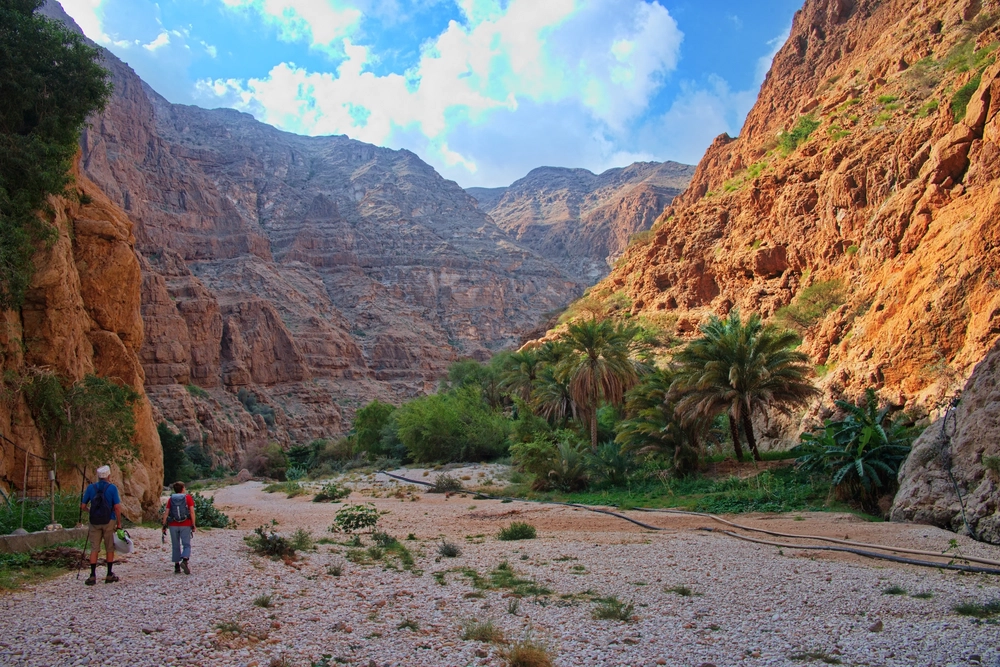
Preparing properly is essential when exploring remote environments.
Always carry sufficient water, especially when trekking in mountainous regions where dehydration can occur quickly.
Wear sturdy footwear with strong grip because limestone terrain can be sharp and uneven.
Download offline maps before leaving urban areas since mobile signals may disappear in deep valleys.
It is also important to respect local customs when passing through villages. Modest clothing and polite interactions help maintain positive relationships with communities along the trails.
Travelers looking to explore these trails affordably can also follow our guide on travel Oman on budget.
Respecting Nature and Local Culture
Outdoor exploration in Oman should follow responsible travel practices.
Trekkers are encouraged to follow leave no trace principles. This means packing out all waste, avoiding disturbance of wildlife, and respecting fragile ecosystems.
The mountains are home to species such as the Arabian tahr, which rely on these protected habitats.
Travelers should also avoid disturbing falaj irrigation channels that supply water to farms and villages.
By respecting these traditions and landscapes, visitors help preserve Oman’s unique trekking environment for future generations.
Final Thoughts
For travelers seeking adventure beyond typical desert experiences, hiking in Oman reveals an entirely different side of the country. Towering mountains, hidden canyon pools, and historic village paths create a landscape rich in both natural beauty and cultural heritage.
Whether you are walking along the cliffs of Jebel Shams, exploring the terraces of Jebel Akhdar, or swimming through the canyon pools of Wadi Shab, each trail offers a new perspective on the country’s remarkable geography.
With proper preparation, respect for local traditions, and reliable connectivity through services like BenoSim, exploring these landscapes becomes both safe and unforgettable.
Oman remains one of the few destinations where ancient trade routes, dramatic geology, and welcoming communities combine to create a trekking experience unlike anywhere else in the world.

