
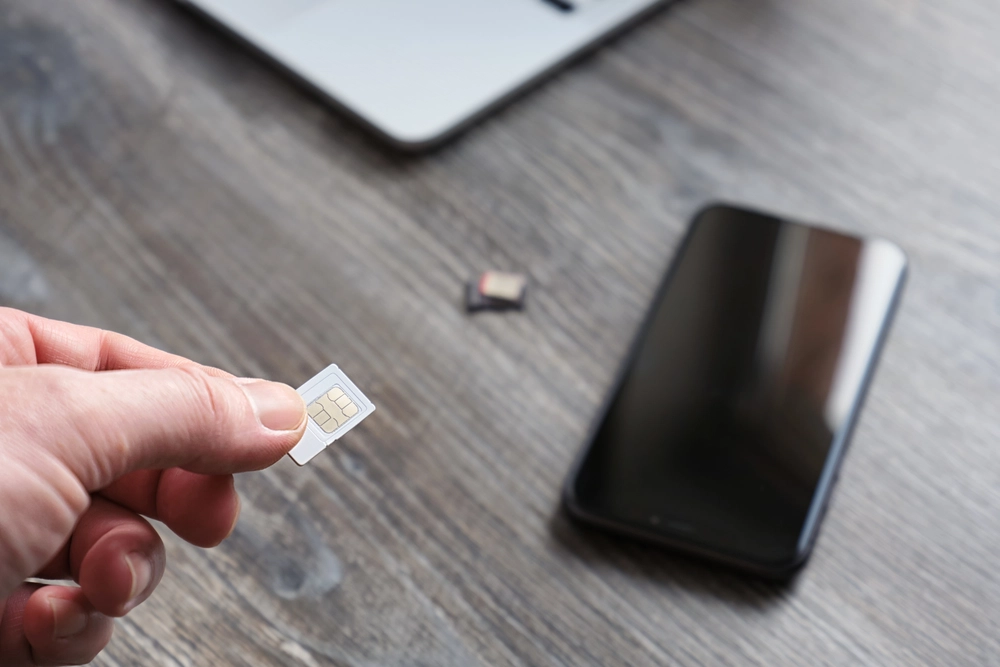
The world of mobile telecommunications is currently witnessing a massive shift in how we think about identity and connectivity. For decades, the plastic SIM card was the only way to connect to a network. However, with the arrival of embedded technology, many users are asking the fundamental question: can I use esim and physical sim at the same time?
The answer is not just a simple yes, it is a gateway to a new level of mobile freedom that allows you to manage multiple numbers and data plans on a single device. This technology, which bridges the gap between traditional hardware and modern software, is often referred to as Dual SIM magic. It essentially turns your smartphone into a versatile tool for international travel, business management, and data optimization.
Understanding the Foundation of Dual Connectivity
To appreciate how these two formats work together, we must first look at what they are. A physical SIM is the familiar removable plastic card that contains your subscriber information. An eSIM, on the other hand, is a tiny chip soldered directly into your phone’s motherboard. When people ask, “can I use esim and physical sim at the same time?” They are usually inquiring about the hardware’s ability to maintain two separate network connections. Most modern smartphones, including the iPhone 11 and later, the Google Pixel 3 and newer models, and the Samsung Galaxy S20 series onwards, are designed to handle this exact configuration.
The technical framework that makes this possible is called Dual SIM Dual Standby or DSDS. In a DSDS setup, both the physical card and the digital profile are active and ready to receive calls or text messages. While only one can typically use a high speed data connection at any given second, the phone intelligently manages the background signaling for both. This means that if someone calls your business number on the eSIM while you are browsing the web on your physical SIM data plan, the phone will alert you immediately. The flexibility of this arrangement is why so many professionals are now moving away from carrying two separate handsets.
Addressing the Common Transition Questions
As you begin to explore this digital transition, you might wonder about the physical requirements of the setup. One of the most frequent queries we hear is can we use esim and physical sim at the same time without any technical conflicts. The technology is built specifically for coexistence. They are essentially roommates inside your device, occupying different physical and logical spaces. Because the eSIM is part of the internal circuitry, it does not interfere with the slot where your plastic card sits.
Another practical concern for many users is the initial installation process. You might ask: “Do I need to remove my SIM card before using eSIM?” The short answer is no. Unless you are performing a specific upgrade where you are moving your existing number from a card to the embedded chip, you should leave your physical card exactly where it is.
In fact, keeping both active is the preferred method for travelers. I remember landing at Haneda Airport in Tokyo at three in the morning after a grueling fourteen hour flight. My primary concern was not my luggage but ensuring I could call a ride share. I activated my local data plan via the settings menu in seconds while my home line remained active to receive the confirmation text from my bank. This seamless transition meant I never lost my primary identity while gaining local connectivity.
The Logistics of Switching and Managing Lines
Once you have both lines set up, you need to know how to navigate between them. Many users worry about being locked into one choice, asking Can you switch back and forth from eSIM to physical SIM? The modern mobile operating system makes this incredibly easy. Within your settings menu, under a section usually titled Cellular or Mobile Data, you can toggle each line on or off with a simple tap. This is perfect for individuals who want to disconnect from work during the weekend or travelers who only need their home line for emergency calls.
There is also a common misconception regarding the necessity of the physical tray once an eSIM is active. You might wonder if it is necessary to remove physical SIM after eSIM activation. If your goal is to use two different numbers or a separate data plan, you must keep the physical SIM inside the tray. Removing it would simply deactivate that specific line. However, if you have successfully converted your primary number from a physical card to an eSIM profile, then the plastic card becomes obsolete. In that specific scenario, the old card no longer has a connection to the network and can be safely removed and destroyed to protect your data.
What Happens to Your Service and Old Hardware
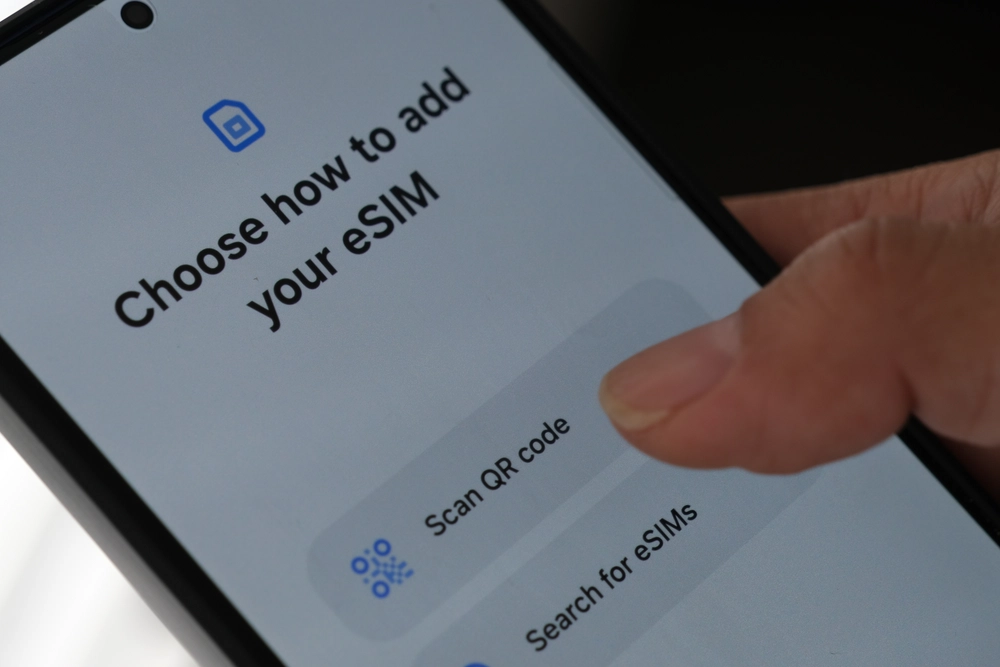
Understanding the fate of your existing service is crucial for a smooth experience. A major point of confusion is what happens to an old SIM when eSIM is activated? The outcome depends entirely on how the activation was performed. If you added a new secondary plan, your old SIM continues to function as it always has. However, if you used a carrier’s conversion tool to move your main number to an eSIM, the physical card will be deactivated by the network. Once the digital profile is live, the physical card is essentially a piece of dead plastic with no service.
Technical experts like Ardit Ballhysa, a senior research analyst, have noted that the industry is moving toward a push model where profiles are managed more centrally by servers. This shift ensures that even as we move away from physical hardware, the reliability of our connection remains constant. For those looking for a guide on how to switch between esim and sim, the process generally involves going to the SIM Manager in your Android settings or the Cellular section on an iPhone. From there, you can designate which line should be used for data, which should be the default for voice calls, and which should handle your outgoing text messages.
Performance Considerations and Battery Life
While the ability to use two lines is a significant advantage, it does come with some minor technical trade offs. Maintaining connections to two different sets of cell towers requires your phone’s modem to work a bit harder. Research indicates that running a dual setup can increase battery consumption by five to fifteen percent depending on your signal strength. If you are in an area where one of your providers has a very weak signal, your phone will use more power to try and maintain that connection.
Furthermore, the introduction of 5G has added another layer of complexity. Processing multiple 5G data streams can generate more heat, which might lead to minor thermal throttling in older devices. However, flagship phones like the Samsung Galaxy S25 or the iPhone 17 are built with advanced cooling systems and efficient processors to handle these demands without a noticeable dip in performance.
Security Paradigms and the 24 Hour Barring Rule
Security is a paramount concern when moving your identity into a purely digital format. One of the most important things to realize when you activate a new eSIM is the security window implemented by many major carriers. Industry experts and people who have navigated this transition often point out a specific precaution. At the 00:40 timestamp in many technical activation guides, a warning is usually issued regarding banking and messaging services.
If you have recently switched to an eSIM or activated a new one, the SMS service is often disabled for twenty four hours. This is a deliberate security measure designed to protect you from fraudsters. By forcing this twenty four hour window, carriers ensure that a malicious actor cannot quickly steal a duplicate SIM and immediately initiate bank operations using one time passwords. If you are planning to make this switch, it is vital to plan ahead and ensure you do not have critical financial transactions scheduled during that first day of activation.
Regional Hardware Variations and the Future
It is also worth noting that where you buy your phone matters significantly in this discussion. In the United States, Apple has moved toward an eSIM only model starting with the iPhone 14, meaning there is no physical tray at all. However, in regions like Mainland China, the situation is reversed. Most iPhones sold there feature two physical SIM slots and no eSIM support whatsoever. If you are a global traveler, purchasing a device from a region like Europe or the United Kingdom often provides the best of both worlds, as those models typically retain the physical nano SIM tray alongside robust eSIM capabilities.
The telecommunications industry is already looking beyond the current Dual SIM magic toward something even more integrated called iSIM. Unlike the eSIM, which is a separate chip, the iSIM is built directly into the phone’s main processor. This will eventually lead to even better battery efficiency and more space for larger cooling systems or bigger batteries. For now, the combination of a physical card and an embedded digital profile remains the gold standard for versatility and reliability.
Strategic Tips for Optimizing Your Dual Setup
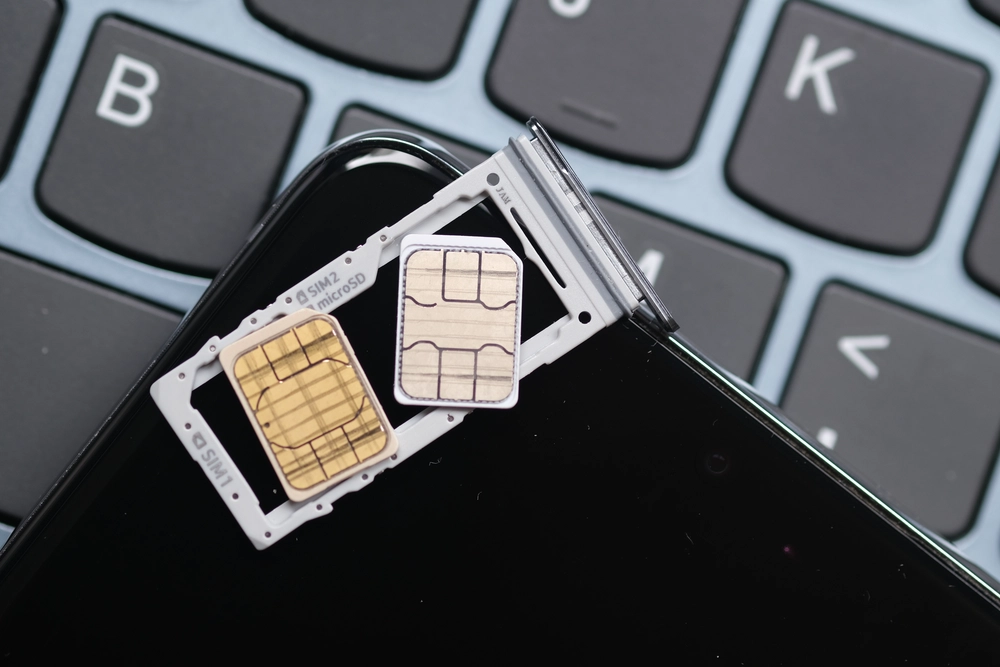
To get the most out of your connectivity, there are a few strategic steps you should take. First, always label your plans clearly in your settings. Using labels like Business and Personal or Home and Travel prevents the confusion of accidentally calling a client from your private number. Secondly, be mindful of your data roaming settings. If you are using an eSIM for cheap data abroad, make sure you have disabled data roaming on your primary physical SIM to avoid unexpected charges from your home carrier.
Additionally, on iPhones, there is a feature called Cellular Data Switching. When this is turned on, your phone can use data from either line depending on which has the strongest signal. This is great for maintaining a stable connection, but it can be risky if you are trying to stay strictly on a specific data plan. Most experts recommend keeping this feature off when traveling internationally to ensure your home line does not accidentally incur roaming fees.
Final Thoughts on the Digital Evolution
The transition to a dual environment represents a significant step forward in our digital lives. When you ask about the use of esim and physical sim at the same time, you are really asking if you can have more control over your communication. The answer is a resounding yes. Whether you are a business professional needing to separate your work life from your family time, or a world traveler looking to stay connected without breaking the bank, this technology is designed for you.
By understanding the technical nuances, such as the DSDS architecture and the security protocols like the twenty four hour SMS block, you can navigate this shift with confidence. The physical SIM card is not quite dead, but it has found a very capable partner in the eSIM. Together, they provide a level of redundancy and flexibility that was unimaginable just a decade ago. As we move closer to a fully digital future, embracing this Dual SIM magic today ensures that you are prepared for the connectivity standards of tomorrow.


