
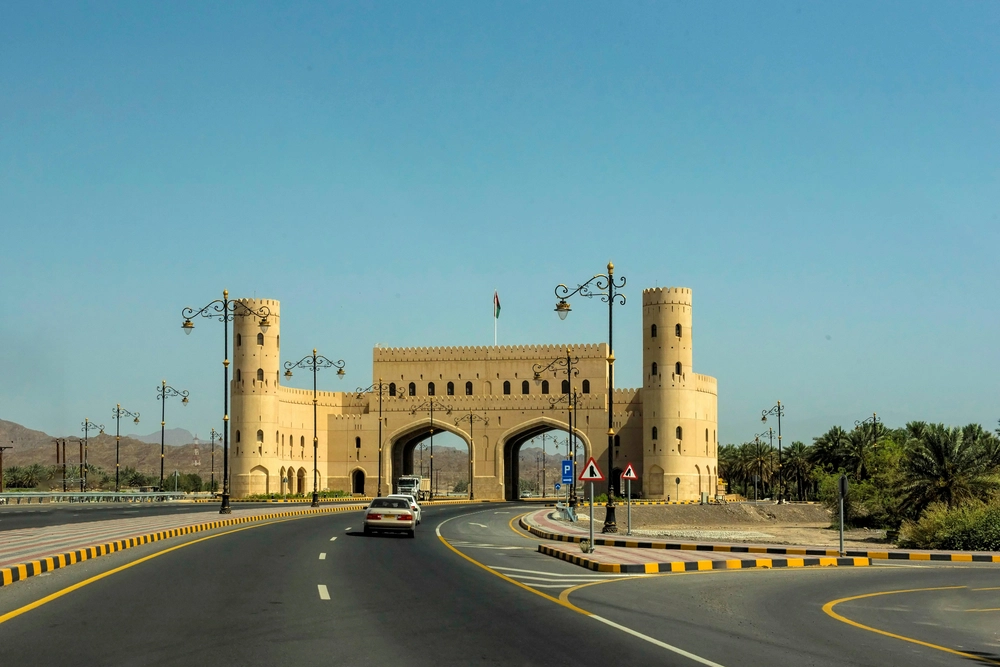
Oman’s stunning diversity stretches across deserts, mountains, coastlines, and ancient cities, which is why careful planning is essential when traveling to Oman. Unlike compact European nations where trains whisk you between destinations in hours, Oman’s vast landscapes and scattered attractions require strategic planning for movement.
Many of the most spectacular places to visit in Oman lie far from major cities, making transportation planning essential for travelers. Understanding your transportation options transforms potentially frustrating logistics into part of the adventure, whether you’re navigating Muscat’s modern highways or tackling rugged mountain wadis.
Planning a clear Oman itinerary before arrival helps determine whether you’ll need a rental car, tours, or a combination of transport options.
The Car Rental Advantage
Getting around Oman is most efficiently accomplished with a rental car. This isn’t just preference but practical necessity. The country’s premier attractions lie scattered across enormous distances with limited alternatives for reaching them. That hidden beach, mountain village, or desert camp you’ve dreamed about visiting? Many of the top things to do in Oman require driving between deserts, wadis, mountains, and coastal towns. You’ll almost certainly need wheels to get there.
Rental cars in Oman are reasonably priced and widely available. International companies operate at Muscat International Airport and throughout major cities, while local agencies often offer competitive rates. Expect to pay approximately 15-25 OMR (40-65 USD) daily for a standard sedan, with four-wheel-drive vehicles running 25-40 OMR (65-105 USD) daily. Having your own car also makes it easier to reach remote coastal areas and some of the most beautiful Oman beaches.
Four-wheel drive becomes essential for serious exploration. While paved highways connect major cities beautifully, Oman’s most spectacular destinations require off-road capability. Jebel Shams and other destinations famous for hiking in Oman, along with Wadi Bani Khalid and desert camps in Wahiba Sands, and countless mountain villages sit beyond standard car capabilities. Even some coastal areas demand higher clearance for sandy or rocky approaches.
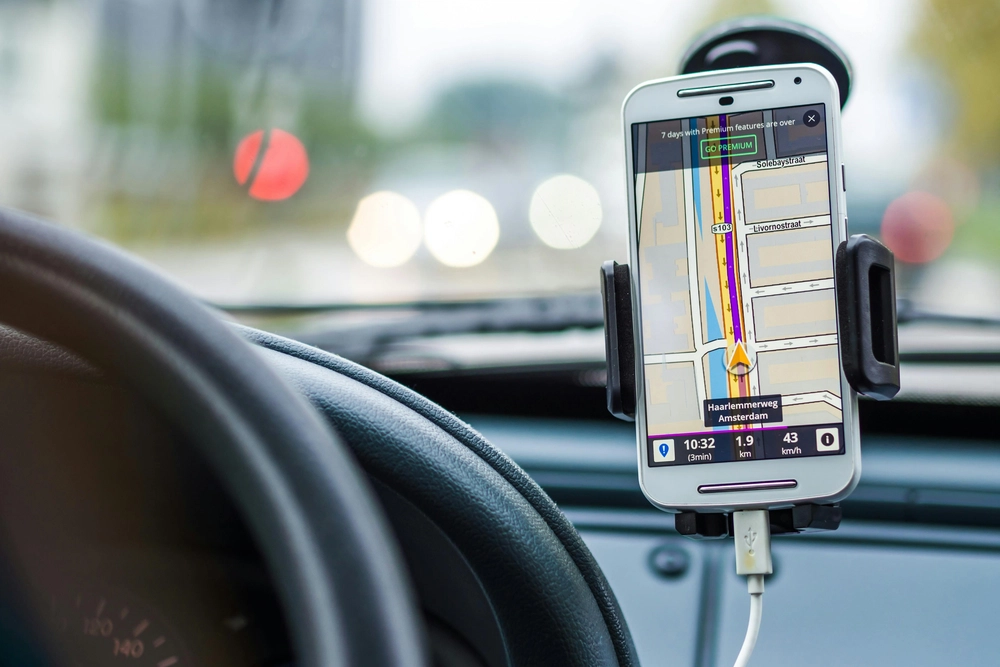
International driving permits are technically required alongside your home license, though enforcement varies. Secure comprehensive insurance coverage, as desert and mountain driving present real risks. GPS navigation helps, though before departure, download an eSIM Oman for reliable connectivity and real-time navigation even in remote areas where GPS alone might struggle with current road conditions.
Taxis and Ride-Hailing Services
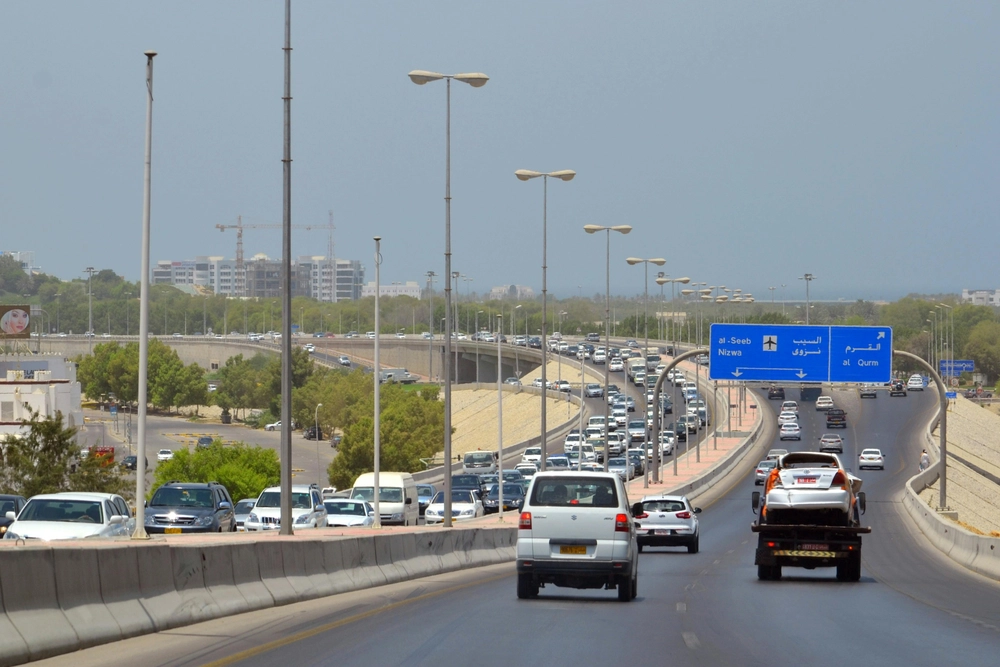
Transportation in Oman within cities relies heavily on taxis. Traditional orange and white taxis operate throughout Muscat and other urban centers, though they lack meters. Always negotiate fares before departing to avoid disputes. A typical Muscat cross-city journey runs 3-5 OMR (8-13 USD).
Ride-hailing apps have revolutionized urban transport. OTaxi, Oman’s homegrown service, provides reliable, metered rides with upfront pricing. The app works similarly to Uber, allowing cashless payment and eliminating negotiation hassles. It operates primarily in Muscat and Salalah.
However, taxis remain impractical for inter-city travel or day trips to attractions. While theoretically possible to hire taxis for full-day excursions, costs quickly exceed rental car rates, and you sacrifice flexibility and spontaneity that make Omani exploration magical.
Public Transport: Limited but Improving
Oman’s public transport infrastructure lags behind many developed nations, though improvements are underway. The reality is that public transportation serves primarily local Omani commuters rather than tourists seeking diverse destinations.
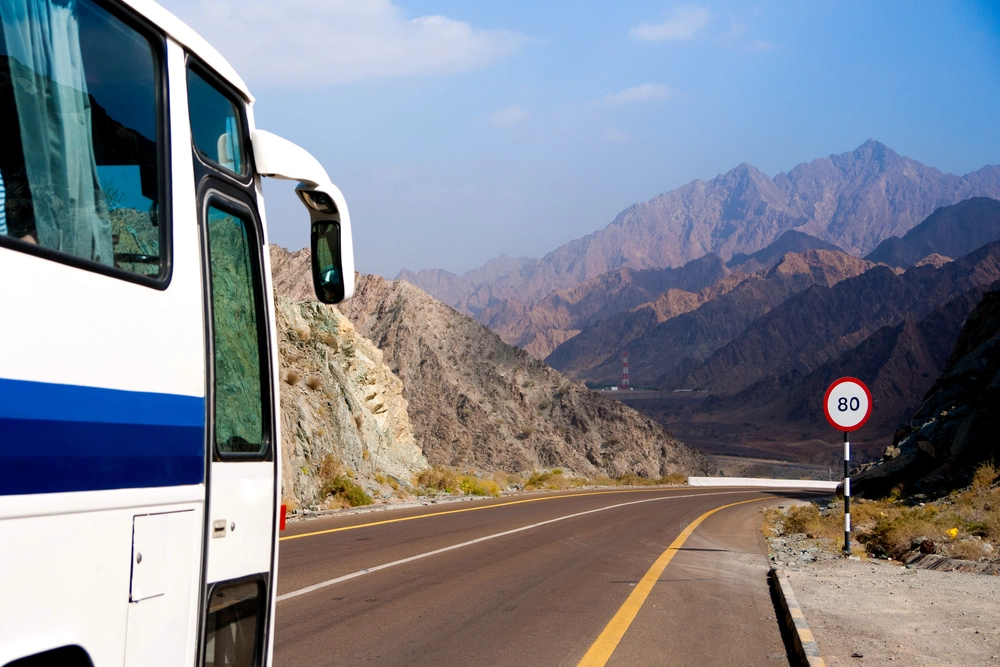
Mwasalat operates long-distance bus services connecting major cities like Muscat, Nizwa, Salalah, and Sohar. These modern, air-conditioned buses provide comfortable, affordable travel for those planning to travel Oman on budget. A Muscat-to-Nizwa journey costs around 3 OMR (8 USD) and takes roughly two hours. However, schedules are limited with typically one or two departures daily on most routes, and services don’t extend to smaller villages or natural attractions.
Within Muscat, local bus routes connect neighborhoods and shopping districts. Fares are minimal, usually under 1 OMR, but routes primarily serve residential areas rather than tourist sites. The lack of comprehensive route maps in English makes navigation challenging for visitors.
Salalah operates a similar local bus system, though again with limited tourist applicability. The Oman transport network simply wasn’t designed with tourism as the primary focus.
Organized Tours: The Hassle-Free Alternative

For travelers uncomfortable driving or those with limited time, organized tours solve the transport in Oman challenge elegantly. Numerous operators offer day trips and multi-day excursions from Muscat covering popular destinations like Nizwa Fort, Wadi Shab, Jebel Akhdar, and desert camps.
Tours include transportation, guides, and often meals, eliminating logistics stress. However, expect to pay premium prices and sacrifice flexibility. Group tours follow fixed schedules and predetermined stops, leaving little room for spontaneous detours to that intriguing village or unexpected photo opportunity.
Private tours with dedicated drivers and guides offer more flexibility at higher costs, suitable for families or small groups wanting professional guidance without rental car responsibilities.
Driving in Oman: What to Expect
Getting around Oman by car proves straightforward once you understand local driving culture. Major highways are excellent, well-maintained, and clearly signposted in both Arabic and English. Speed limits are enforced with cameras, typically 120 km/h on highways and 40-60 km/h in urban areas.
Traffic flows on the right side. Muscat experiences significant congestion during morning and evening rush hours, particularly around major roundabouts. Outside cities, traffic thins dramatically, sometimes driving for miles without seeing another vehicle.
Desert and mountain driving requires experience and caution. Wadis (dry riverbeds) can flood suddenly during rain. Sandy tracks demand deflating tires for better traction, then reinflating before returning to pavement. Never attempt challenging terrain alone, and always inform someone of your route and expected return.
Fuel stations dot highways regularly, though become sparse in remote areas. Fill up before desert or mountain excursions. Petrol prices are subsidized and remarkably cheap by international standards. Road conditions and travel comfort also depend on the best time to visit Oman, as summer heat can make long drives challenging.
Making Transportation Work for You in Oman
Successfully getting around Oman combines multiple transportation modes strategically. Rent a car for primary exploration while using ride-hailing apps for airport transfers or evenings when you prefer not driving. Consider organized tours for challenging destinations if you lack off-road driving confidence.
Digital connectivity enhances every transportation method. Download offline maps before departure, use navigation apps, and maintain contact with accommodations and emergency services through data connectivity.
Oman rewards travelers willing to take the wheel literally and figuratively. The freedom of independent exploration unlocks this magnificent country’s full potential, revealing hidden treasures that group tours and limited public transport can never reach. Reliable transportation also helps travelers reach some of the best hotels in Oman, many of which are located outside major city centers.

