

Paris is a city that seems to grow larger and more complex the more you explore it. For many travelers, the ultimate goal is to tick off every item on a legendary bucket list, from the top of the Eiffel Tower to the quietest corners of the Latin Quarter. When planning your trip, the first question usually involves time. Specifically, how many days do you need in Paris to truly feel like you have seen it all? The answer depends on your pace, but after years of helping travelers navigate the City of Light, it is clear that a strategic approach to your stay is the only way to avoid the dreaded museum fatigue.
I remember my very first arrival at Charles de Gaulle airport quite clearly. I had only booked a stay for three days, thinking that would be plenty of time to see the big monuments. I spent nearly half of that first trip just trying to figure out the RER train system and navigating the metro. By the time I reached the Louvre, I was so exhausted from rushing that I barely appreciated the art. I realized then that a rushed visit only gives you the highlights and leaves you no time to deeply explore the soul of the city. To avoid this, you need a well structured Paris itinerary that balances iconic landmarks with the quieter, more immersive experiences that truly define French culture.
How Many Days to Spend in Paris
If you are wondering how many days to spend in Paris, you should consider what “seeing everything” means to you. For some, it is the major monuments, while for others, it is the neighborhood life and the hidden passages.
The Three Day Sprint
A three-day stay is the absolute minimum for a first time visitor. This duration allows you to see the Eiffel Tower, the Louvre, and perhaps take a quick stroll through Montmartre. However, this is a very high energy trip. You will likely spend your days moving from one major site to the next with very little downtime. It is a great overview but leaves little room for the spontaneous discoveries that make Paris special.
The Five Day Balance
Many travel experts suggest that five days is the sweet spot for those who want a mix of culture and relaxation. This duration provides enough time to include a day trip to the Palace of Versailles without feeling like you are sacrificing your time in the city center. It also allows you to explore different arrondissements at a slightly slower pace.
The Seven Day Immersion
For those who have dreamed of this trip for a lifetime, a full week is the ideal duration. Within seven days, you can move beyond the tourist centers. You can spend a whole morning in a single museum like the Musee d’Orsay and then spend the afternoon watching people at a cafe in Saint Germain des Pres. This is often cited as the best starting point for a deep cultural experience.
The Ten Day Residency
If you have ten days, you can truly live like a Parisian. You can visit the peripheral districts like the 20th arrondissement to see La Campagne à Paris or spend a day in the 13th arrondissement exploring the street art of La Butte aux Cailles. This length of stay allows for multiple day trips to places like Giverny or even the beaches of Normandy.
Connectivity and the Modern Traveler
In 2026, navigating Paris has become a digital experience. Gone are the days of fumbling with paper maps or searching for a local kiosk to buy a physical SIM card. To keep your Paris itinerary on track, you need instant access to navigation and translation apps the moment you land. An esim Paris solution is now the standard for international travelers. It allows you to download a data plan before you even leave home, ensuring you can call an Uber or check the metro schedule as soon as you step off the plane.
Using an esim france plan is not just about convenience, it is about safety and efficiency. Most of the city’s transit systems, including the Navigo system, have moved toward NFC technology. Having a reliable data connection means you can reload your digital transit pass through your phone without standing in long queues at the station. This small logistical win can save you hours over the course of a week.
Iconic Landmarks and Time Management
To see everything on a bucket list, you must be tactical with the “Big Three” attractions.
The Louvre Museum
The Louvre is so massive that seeing every piece of art would take months. According to travel industry experts like those at the Louvre official site, you should focus on specific wings rather than trying to cover the whole floor plan in one go. Expert opinions from veteran guides suggest that a three to four hour visit is the limit for most people before museum fatigue sets in. If you have a well planned Paris itinerary, you might visit the Denon wing for the Mona Lisa and the Winged Victory, then save the Egyptian antiquities in the Sully wing for a second visit.
The Eiffel Tower
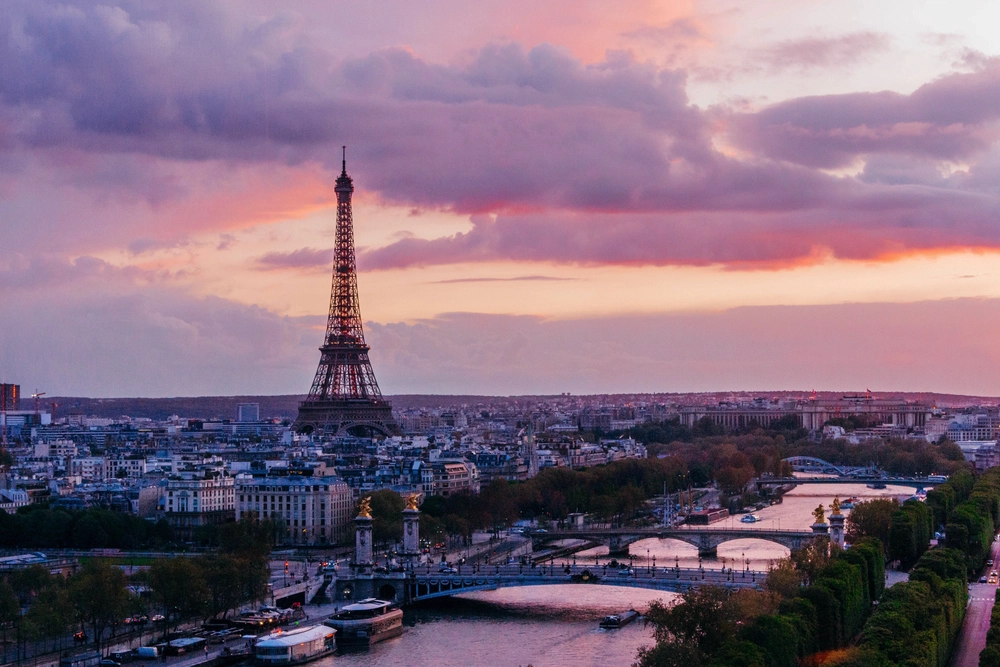
The iron lady remains the most recognizable landmark on earth. For the best experience, you should book your tickets months in advance. Many travelers choose to visit the second floor for the best photographic views of the city, while others prefer the summit for the champagne bar. If you want to avoid the crowds, arriving for the very first time slot in the morning is highly recommended.
Notre Dame Cathedral
By 2026, the Notre-Dame de Paris has fully reopened to the public following its extensive restoration. Seeing the restored spire and the clean stone of the nave is a highlight for any visitor. Oliver Gee, a prominent Paris expert and host of The Earful Tower, notes that climbing the towers of Notre Dame is one of the most rewarding experiences in the 4th arrondissement, offering a close up look at the gargoyles and a unique view of the Seine.
Beyond the Icons: Finding the Hidden Gems
A true Paris travel guide must lead you away from the crowds. The city is a collection of villages, each with its own personality.
Le Marais is the heart of historic Paris, filled with 17th century mansions and hidden courtyards. It is also home to the Musee Carnavalet, which tells the history of the city. For a more bohemian vibe, head to the Canal Saint Martin in the 10th arrondissement. This is where locals gather for picnics on the water’s edge. If you are looking for Paris must-see places that feel a bit more authentic, the 19th century covered passages like Galerie Vivienne offer a beautiful, glass roofed shopping experience that feels frozen in time.
One of the most unusual things to do in Paris is to hunt for the “fake facades.” These are buildings at locations like 145 Rue Lafayette that look like normal apartments but are actually just shells used to hide the city’s ventilation systems. These quirks are what make a Paris itinerary feel personal and adventurous.
Strategic Logistics: Passes and Transport
To maximize your time, you need to understand the 2026 transit landscape. The iconic paper metro ticket has been largely phased out. Most visitors now use the Navigo Easy pass, which can be loaded with single trips or day passes directly from a smartphone. For those staying a full calendar week, the Navigo Decouverte offers unlimited travel across all zones for around 32 euros, making it a budget friendly choice for trips to Versailles or the airports.
When it comes to attractions, the Paris Museum Pass is a powerful tool. It provides access to over 50 museums and monuments. Experts often point out that the pass is not just about saving money, it is about the convenience of having one digital ticket for multiple sites. However, even with the pass, you still need to make time slot reservations for high traffic museums like the Louvre.
Designing Your Seven Day Paris Itinerary
If you have a week to spend, here is how you might structure your time to ensure you see the best of the city.
Day 1: Arrival and Immersion. Settle into your hotel and take a gentle stroll through Le Marais. End the day with a sunset Seine River cruise to see the landmarks illuminated.
Day 2: The Historical Axis. Start at the Louvre in the morning. Walk through the Tuileries Garden to the Place de la Concorde, then continue up the Champs Elysees to the Arc de Triomphe.
Day 3: The Intellectual Left Bank. Spend your morning in the Latin Quarter. Visit the Pantheon and the Luxembourg Gardens. In the afternoon, explore the boutiques of Saint Germain des Pres.
Day 4: Royal Grandeur. Take the RER C train to the Palace of Versailles. Spend the whole day exploring the Hall of Mirrors and the vast gardens. In 2026, the gardens feature AI-powered statues that can narrate their own history to your phone.
Day 5: Bohemian Heights. Spend the morning at the Canal Saint Martin. In the afternoon, take the metro to Montmartre. Visit the Sacre Coeur and wander the backstreets away from the Place du Tertre.
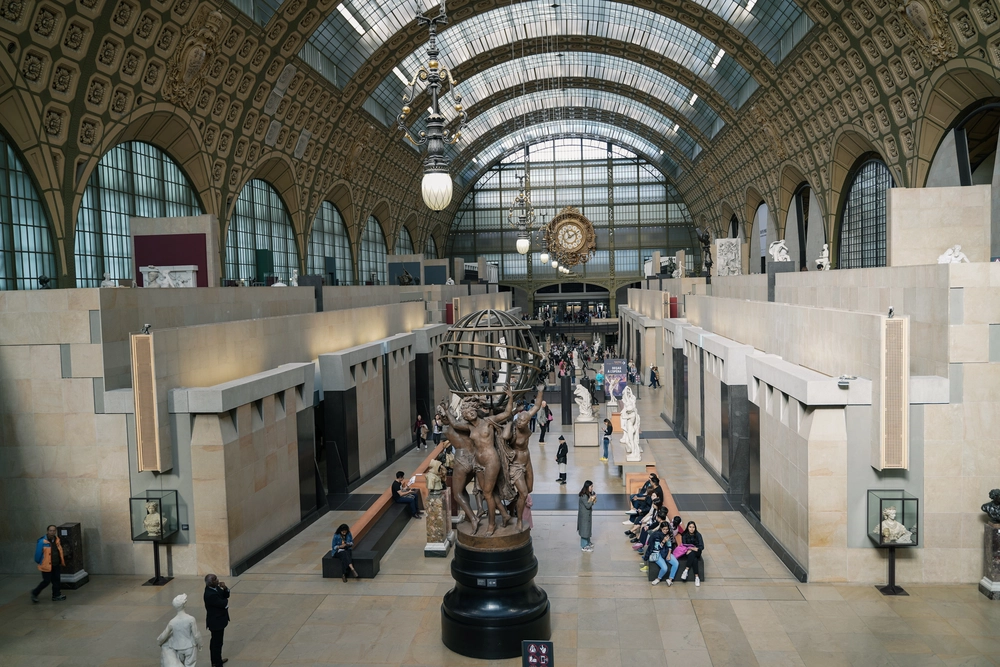
Day 6: Art and Architecture. Start at the Musee d’Orsay to see the Impressionist masterpieces. In the afternoon, visit the Palais Garnier or explore the 19th century covered passages.
Day 7: The Iconic Farewell. Start your day at the Eiffel Tower. Spend the afternoon at the reopened Notre Dame. End your trip with a celebratory dinner at a traditional bistro like Benoit or a modern favorite like Septime.
The Culinary Bucket List
You cannot have a complete stay without experiencing the gastronomic side of the city. A Paris tour should always include a stop at a local boulangerie. For the perfect croissant, locals often head to La Maison d Isabelle in the 5th arrondissement, which is famous for its buttery, flaky layers. If you are a fan of macarons, Pierre Herme is often preferred over Laduree by those seeking innovative flavor combinations like olive oil and vanilla.
Expert opinion from Michelin inspectors emphasizes that the 2026 dining scene is moving toward “bistronomy,” which combines high end culinary techniques with a casual bistro atmosphere. Places like Bistrot Paul Bert in the 11th arrondissement remain legendary for their steak frites and grand desserts. For a more modern experience, Septime continues to be one of the most sought after tables in the city, requiring reservations weeks in advance.
Making the Most of Every Moment
To truly see everything, you have to accept that Paris is a city of layers. You will never see it all in one trip, and that is part of the charm. Whether you have three days or ten, your Paris itinerary should leave space for the unplanned. It is often the quiet morning in a neighborhood cafe or the discovery of a small art gallery in a hidden alleyway that stays with you longer than the view from the top of a monument.
In 2026, the city is more accessible than ever. With smart tourism initiatives, digital transit passes, and the ease of a modern esim, the logistical barriers have vanished. This allows you to focus entirely on the culture and history. As you walk the streets, remember the advice of long term residents: Paris is best discovered on foot. Wear comfortable shoes, keep your phone charged for navigation, and let the city reveal its secrets to you one arrondissement at a time.
A well planned stay is the difference between a stressful holiday and a life changing experience. By choosing the right duration, staying connected with the latest technology, and prioritizing both the icons and the local gems, you can create a trip that fulfills every item on your bucket list. Paris is always a good idea, but a well planned Paris is an unforgettable one.


