
Running out of mobile data while traveling can quickly turn a smooth trip into a stressful one. From navigating unfamiliar streets to confirming hotel reservations or joining a quick video call, connectivity has become essential. Understanding Travel data usage before you pack helps you choose the right plan, avoid surprise costs, and stay connected with confidence wherever you go.
This guide explains how much data travelers typically need, how usage changes by activity, and how to choose the right option for your trip. The recommendations are grounded in current global usage trends, expert insights from the telecom and travel industry, and practical planning tips that align with the BenoSim reputation for reliable travel connectivity.
Why understanding travel data needs matters
Most travelers underestimate how quickly mobile data is consumed on the road. At home, Wi Fi often covers heavy usage. Abroad, every map refresh, photo upload, or app update draws from your mobile plan. In 2026, studies show travelers typically need between 3 and 10 GB of data per week, depending on behavior, with moderate users averaging around 500 MB per day.
This is where Travel data usage planning becomes critical. Choosing a plan without understanding your habits can mean either overpaying or running out at the worst moment.
Industry research from Telco Magazine confirms that more than 85% of international travelers now prefer eSIM based solutions due to predictable pricing and seamless 4G and 5G access, compared to traditional roaming. This shift reflects both cost awareness and growing dependence on mobile data while traveling.
How travelers actually use data on the road
When planning a Data plan for travel, it helps to understand what consumes data most often during a trip. Navigation and messaging use relatively little data. Social media, video streaming, and video calls consume far more.
Typical data usage by activity
| Activity | Approximate data usage per hour |
| Navigation apps like Google Maps | 5 to 15 MB |
| Messaging apps such as WhatsApp | Negligible to 1 MB |
| Social media scrolling | 150 to 300 MB |
| Music streaming | 80 to 150 MB |
| Video streaming in standard quality | 300 to 700 MB |
| Video calls or remote work meetings | 200 to 500 MB |
Based on recent data on global app usage, social networking and communication apps consistently account for a significant portion of total mobile usage time. People spend a majority of their mobile time on communication and social media platforms, far exceeding 10% when combined with navigation apps. This explains why many users are surprised by how fast data disappears.
Estimating how much data you personally need
One of the most common questions travelers ask is how much data do i need for travel. The answer depends on your daily habits and trip length.
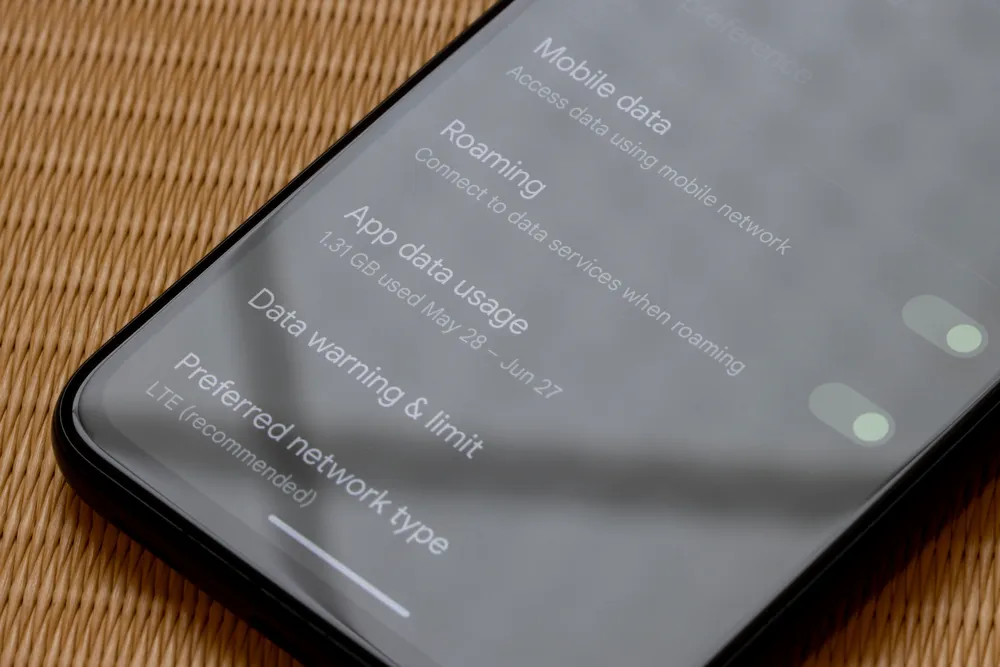
A simple way to estimate is to log your typical usage for a few days at home using your phone settings. On iOS, check Cellular usage. On Android, review Data usage in Network settings. This gives a realistic baseline.
A practical example calculation
Imagine a one week trip where you use:
- Navigation for one hour daily
- Social media for two hours daily
- Music streaming for thirty minutes daily
This adds up to roughly 450 to 500 MB per day. Over seven days, that equals about 3.5 GB. Adding a safety buffer of 20 to 25 percent brings the total close to 4.5 GB.
From personal experience, on a recent short business trip where I relied heavily on maps, messaging, and moderate social media, my daily usage stayed just under 600 MB. That single observation reinforced how accurate activity based estimates can be when planning ahead.
How Travel Style Affects Your Mobile Data Needs
Not all travelers use data the same way. Understanding your travel style helps you choose the best Data plan for travel.
Light users
Light users mainly rely on maps, messaging, and occasional browsing. Typical usage ranges from 2 to 4 GB per week. For them, smaller data bundles are often enough.
Moderate users
Moderate users actively use social media, upload photos, and stream music. This group averages 3 to 7 GB per week and represents the majority of tourists today.
Heavy users and remote workers
Heavy users include digital nomads, content creators, and travelers who rely on video calls or streaming. Their how much mobile data do you use when traveling figure can exceed 10 GB per week, making unlimited options more practical.
Working Remotely pointed out that remote work on the move has significantly increased demand for flexible high data plans, especially for travelers moving across multiple countries.

Unlimited data plans and when they make sense
Many travelers consider esim unlimited data packages to avoid thinking about limits altogether. Unlimited plans are ideal if you stream video frequently, work remotely, or simply prefer peace of mind.
However, unlimited does not always mean unrestricted. Some plans apply fair use policies that reduce speeds after heavy consumption. Understanding these details is essential when choosing a plan aligned with your actual Travel data usage.
We recommend unlimited options primarily for heavy users, while moderate travelers often save money by selecting a well sized fixed data plan.
Smart ways to stay connected without worrying about data limits

Managing mobile data while traveling does not have to involve constant monitoring or adjusting phone settings. Many travelers now prefer uninterrupted connectivity rather than restricting usage, especially when navigation, social media, and real-time communication are essential throughout the trip.
This is where unlimited travel data solutions become valuable. With an unlimited data option from BenoSim, travelers can stay connected without worrying about daily limits, background app usage, or unexpected slowdowns during important moments. Whether you are using maps for long hours, sharing photos and videos, or attending online meetings, unlimited data provides consistent access without compromise.
Industry research indicates that heavy and moderate travelers increasingly choose unlimited plans to avoid the inconvenience of tracking consumption or running out of data mid-journey. For users whose Travel data usage fluctuates day to day, unlimited connectivity offers peace of mind and a more seamless travel experience.
Instead of managing restrictions, travelers can focus on exploring their destination, staying connected with family, and handling work or bookings confidently, knowing their data access remains stable throughout the trip.
Choosing the right travel data solution
When selecting a travel connectivity option, focus on reliability, coverage, and transparency. A strong Data plan for travel should match your estimated usage, support the regions you visit, and avoid hidden fees.
eSIM based plans have become popular because they activate instantly, work alongside your existing SIM, and offer predictable pricing. For travelers visiting multiple destinations, this flexibility is especially valuable.
Final thoughts on planning your travel data
Avoiding data shortages starts with awareness. By understanding your habits, estimating usage by activity, and choosing a plan aligned with your needs, you eliminate one of the most common travel frustrations.
Global trends show that travelers are more connected than ever, and planning Travel data usage is now as important as booking flights or accommodation. With the right preparation, your phone becomes a reliable travel companion rather than a source of stress.
Frequently Asked Questions
What is the average mobile data requirement for international travel
Most international travelers use between 3 and 10 GB of data per week. Usage depends on activities such as navigation, messaging, social media, and occasional streaming, with moderate travelers averaging around 500 MB per day.
How much data should I plan for a one week trip
For a typical seven day trip, 4 to 7 GB of mobile data is sufficient for navigation, social media, messaging, and light browsing. Travelers who stream videos or work remotely may require significantly more.
How does mobile data usage vary while traveling
Mobile data usage varies by travel style. Light users often stay under 300 MB per day, while heavy users such as content creators or remote workers can exceed 1.5 GB per day, making higher or unlimited data plans more practical.

